
Ratter
2015
No user ratings available yet
Representation score: 2.8 out of 10
Representation Score
Limited
2017
RDirector
Sean Carter
Runtime
90 minutes
Average Rating
No ratings yetNew Showbiz Analysis
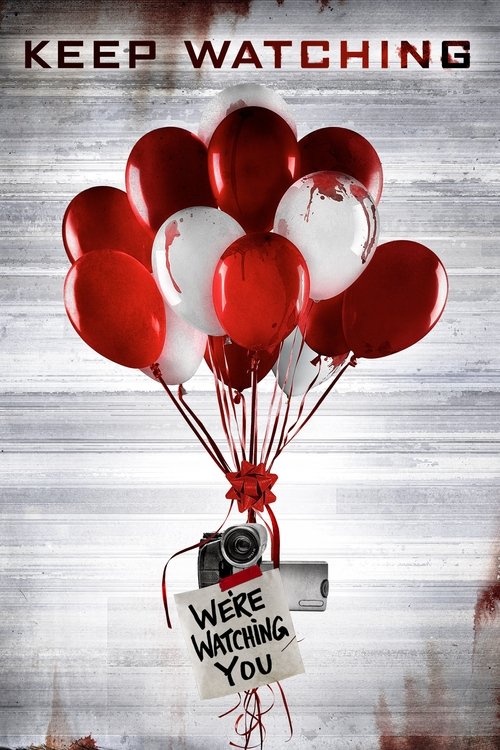
Keep Watching (2017) operates within conventional home-invasion thriller clichés that reinforce traditional power dynamics. The narrative centers on a nuclear family, portraying the domestic sphere as a site of vulnerability rather than empowerment. This structural choice limits the potential for progressive representation across all categories.
Category Breakdown
The film presents a strictly heterosexual and cisgender worldview through its nuclear family structure. There are no queer characters, and the plot does not offer any space for questioning traditional gender roles or identities.
Female characters such as Olivia remain reactive, expressing dissatisfaction rather than driving the plot. The story relies on domestic vulnerability clichés, reinforcing traditional hierarchies where women and children are positioned as primary victims.
While the cast includes actors of color, their roles lack narrative depth compared to white leads. The diversity is superficial, failing to challenge racial stereotypes or explore the multi-layered experiences within the homogeneous family dynamic.
The film promotes a Western-centric view of property and individualism, framing the home as a sacred space. It lacks nuanced cultural commentary, presenting a black-and-white moral framework that critiques media voyeurism without deeper societal insight.
The primary cast consists entirely of able-bodied individuals facing physical threats. The complete absence of disability representation means the film neither engages with neurodivergence nor challenges ableist norms, resulting in a neutral but exclusionary stance.
Present on Screen
Limited or Absent
Official Synopsis
A family imprisoned by intruders is forced to play a terrifying game of "Kill, Or Be Killed". As the night unfolds, the game's mysterious rules become clear, and the family realizes their nightmare is being streamed live to riveted viewers all over the world, who are compelled to KEEP WATCHING... not knowing if what they're seeing is real, or staged.
2015

2008
2014
2022
2013
2017
2005

2019
No reviews yet. Be the first to share your thoughts on this movie!
Use the rating form above to leave a star rating and optional review.