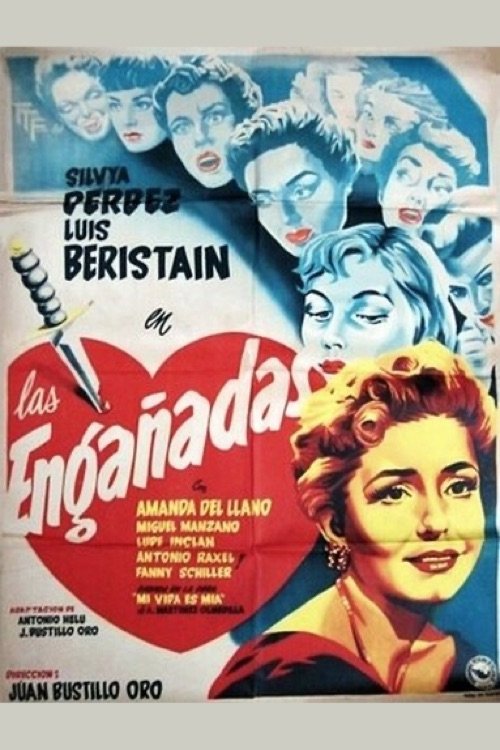
Las engañadas
1955
No user ratings available yet
Representation score: 2.3 out of 10
Representation Score
Minimal
1955
Director
Juan José Ortega
Runtime
90 minutes
Average Rating
No ratings yetNew Showbiz Analysis
The film operates as a mid-century melodrama that upholds traditional social hierarchies. While it addresses class conflict between the working class and the elite, its narrative structure adheres to the dramatic conventions of the time. The film lacks multi-layered identities and focuses solely on a heterosexual conflict of seduction and deception, offering limited space for diverse perspectives or the subversion of 1950s social norms. Ultimately, the work reflects the period's dramatic conventions without challenging them, prioritizing individual moral consequences over systemic critique or broader cultural representation.
Category Breakdown
The film centers on a heterosexual relationship conflict and does not include any non-straight identities or narratives that challenge the assumption that everyone is straight.
The story revolves around a power imbalance between a woman and a predatory man, reinforcing traditional gender roles by portraying women primarily as victims.
Set in Havana, the film highlights socioeconomic differences but does not delve into explicit racial or ethnic diversity.
The plot emphasizes individual morality and class struggle, aligning with traditional social consequences rather than critiquing Western institutions.
There is no information about characters with physical or neurodivergent disabilities.
Present on Screen
Limited or Absent
Official Synopsis
In Havana, humble office girl Maria Caridad becomes the victim of rich playboy Arturo who seduces her and takes her to bed under false pretenses.
1955
1953
1961
1945
1951
1954
1951
1947
No reviews yet. Be the first to share your thoughts on this movie!
Use the rating form above to leave a star rating and optional review.