
Shot Caller
2017
No user ratings available yet
Representation score: 4.0 out of 10
Representation Score
Limited
2008
RDirector
Ric Roman Waugh
Runtime
103 minutes
Average Rating
No ratings yetNew Showbiz Analysis
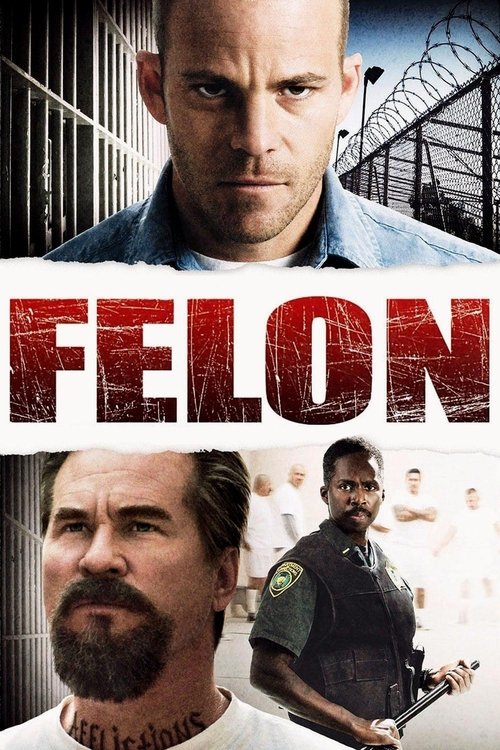
Felon is a gritty, naturalistic portrayal of systemic oppression rather than a vehicle for diverse representation. Its narrative structure critiques institutional power and the tension between individuals and state-controlled environments. While the film effectively dismantles the 'law and order' archetype, it remains limited in its multi-layered diversity. The cast is largely homogeneous, and the social landscape is narrow, focusing on traditional masculine roles and domestic survival. Ultimately, the film's strength lies in its systemic critique. It replaces a simplistic moral code with a nuanced examination of how a flawed justice system affects individuals and families.
Category Breakdown
The film does not include any LGBTQ+ characters or explore non-straight relationships. It focuses solely on traditional family structures and survival within the prison system.
The story emphasizes traditional masculinity, highlighting the protagonist's role as a protector. While it underscores the emotional burden of these roles, it upholds conventional masculine ideals.
The cast is primarily white and lacks intentional diversity. Although it portrays a varied socioeconomic background, it misses opportunities for multi-layered casting.
The film provides a sophisticated critique of Western institutional power. It portrays the penal system as a dehumanizing force that challenges the idea of the state as a benevolent protector.
The film does not significantly address neurodivergence or physical disabilities. Depictions of trauma seem incidental to the violent setting rather than intentional explorations of identity.
Present on Screen
Limited or Absent
Official Synopsis
A family man convicted of killing an intruder must cope with life afterward in the violent penal system.
2017

1992
2012

1980
2014
1978
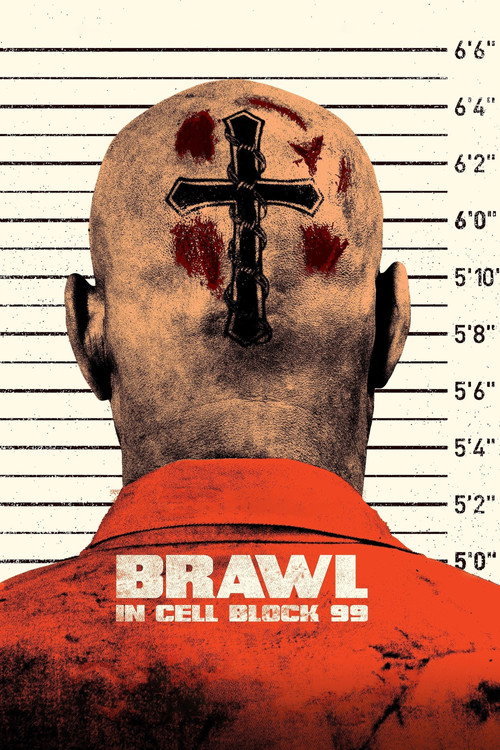
2017

2008
No reviews yet. Be the first to share your thoughts on this movie!
Use the rating form above to leave a star rating and optional review.