
You & Me
2018
No user ratings available yet
Representation score: 7.7 out of 10
Representation Score
Excellent
2019
Director
Richard Staviarsky, Víťo Staviarsky
Average Rating
No ratings yetNew Showbiz Analysis
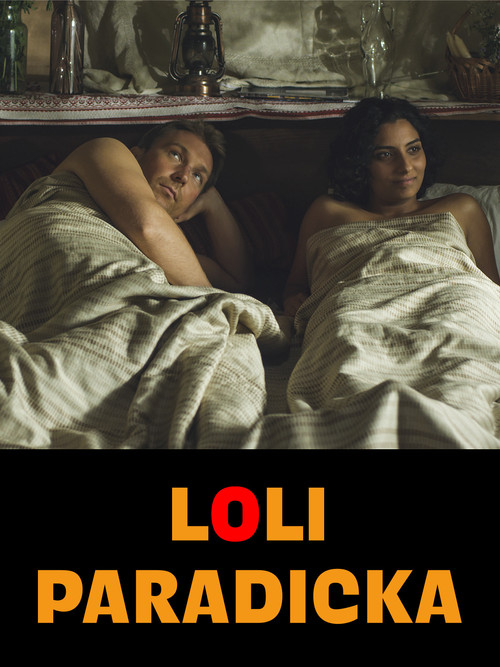
Loli paradička stands out for its multi-layered approach, centering a romance between a one-legged man and a Roma woman. By framing societal prejudice as the primary antagonist, the film prioritizes the lived experiences of underrepresented characters over mainstream social comforts. The film excels in ethnic and disability representation, treating these identities as integral to the characters' humanity rather than mere plot devices. It avoids the trap of using physical impairment or social status solely to elicit pity. While the gender dynamics are progressive, the film remains within a traditional heterosexual framework. This limits its scope regarding broader queer representation, though it succeeds in providing a nuanced look at social and physical the way different parts of someone's identity overlap.
Category Breakdown
The film focuses on a traditional heterosexual romance between Milan and Veronka. There is no explicit evidence of non-straight relationships or dynamics within the narrative.
Veronka is portrayed who play a significant role in driving the story, moving beyond passive clichés by seeking employment and entering a supportive partnership with Milan. She actively navigates systemic social barriers alongside him.
The story centers on a Roma woman and directly confronts the prejudices she faces. This intentionality challenges the historical exclusion of Romani people in cinematic storytelling.
The narrative critiques how dominant social structures and traditional norms impact those on the periphery. It frames societal rules as obstacles to human connection rather than moral imperatives.
Milan’s missing leg is integrated into his identity without being used for mockery or pity. The film emphasizes his professional drive and emotional depth as a person with ability to act.
Present on Screen
Limited or Absent
Official Synopsis
When Milan, a traveling sweet vendor missing a leg, discovers hungry Veronka has stolen two Turkish delights, he shows compassion by buying her lunch. Grateful, Veronka offers to help him at his market stall, and a spark ignites between them. After a stormy night in a rundown motel, they fall deeply in love and begin dreaming of a future together, but can their bond withstand society’s prejudice against a one-legged man and a young Roma woman?
2018
1965
2005
1986

2019

2014

1977
1993
No reviews yet. Be the first to share your thoughts on this movie!
Use the rating form above to leave a star rating and optional review.