Candy Rain
2008
No user ratings available yet
Representation score: 6.7 out of 10
Representation Score
Excellent
2008
Not RatedDirector
Zero Chou
Runtime
97 minutes
Average Rating
No ratings yetNew Showbiz Analysis
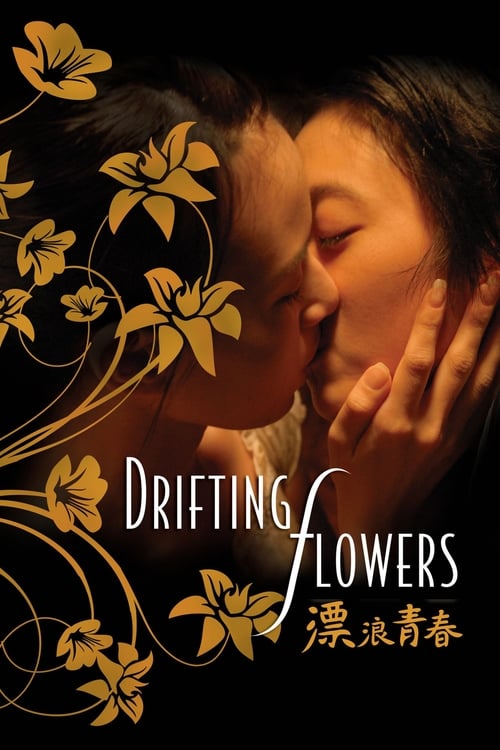
Drifting Flowers is a structurally ambitious film that prioritizes underrepresented identities. By centering its stories on queer companionship, gender fluidity, and sensory disability, the film avoids including someone from a minority group without giving them real depth and instead makes these experiences the core of its narrative structure. The film excels in its portrayal of non-assuming gender matches what was assigned at birth identities and the subversion of gender roles. It treats disability with dignity, focusing on the protagonist's artistic ability to act rather than using impairment as a mere plot device. While the film offers a nuanced, non-Western perspective, specific racial demographics remain less defined. However, its commitment to storytelling that reflects multiple aspects of identity creates a powerful challenge to conventional social hierarchies.
Category Breakdown
The film focuses on queer visibility through the stories of elderly lesbians and a younger protagonist exploring their gender identity.
Diego’s journey from adolescence to becoming a tomboy accordionist challenges traditional gender roles. The film highlights her personal expression and growth.
The narrative emphasizes a regional perspective on identity formation, moving away from Anglo-centric storytelling to highlight localized, non-Western human connections.
The film prioritizes personal truth and emotional authenticity over strict religious adherence. Characters find comfort in unconventional bonds rather than traditional family structures.
Jing, a blind singer, is portrayed with ability to act and her visual impairment is integrated into her identity as a musician, rather than being a source of pity.
Present on Screen
Limited or Absent
Official Synopsis
Three poetic tales of seeking the true identity. In the first story, Jing, a blind singer, falls in love with her band's tomboy accordionist Diego. In another time and place, Lily, an elderly lesbian and Yen, her gay friend, create an unexpected bond and support each other in a time of crisis. Finally, we see Diego before she joined the band, when as a teenager she came to grips with her gender identity.
2008
2014

2005

2018
2012
2012
2006
2004
No reviews yet. Be the first to share your thoughts on this movie!
Use the rating form above to leave a star rating and optional review.