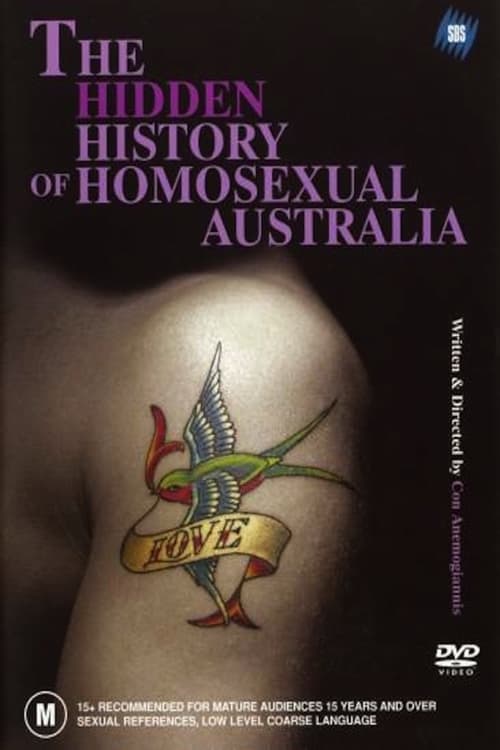
The Hidden History of Homosexual Australia
2005
No user ratings available yet
Representation score: 6.5 out of 10
Representation Score
Good
2007
Director
André Schäfer
Runtime
90 minutes
Average Rating
No ratings yetNew Showbiz Analysis
Schau mir in die Augen, Kleiner is a vital historical document that prioritizes LGBTQ+ narratives. By focusing entirely on queer cinematic legacies, it provides deep visibility for underrepresented histories. The film challenges cultural hegemony and documents the struggle against systemic censorship. It validates identities that mainstream media has historically erased or sidelined. While the focus on sexual orientation is profound, the film's multi-layered breadth regarding race and disability remains less clear. The documentary's strength lies in its role as a corrective historical archive.
Category Breakdown
The documentary focuses solely on the history of gay and lesbian cinema, positioning queer experiences as the main subject of investigation.
The film explores how queer cinema deconstructs traditional concepts of masculinity and femininity, subverting conventional gender roles.
The film highlights the evolution of queer cinema but does not explicitly confirm a broad multi-layered analysis of race. It lacks evidence of a predominantly non-Anglo-Saxon cast.
The narrative critiques historical censorship and oppression from religious and conservative institutions, reclaiming identities that have been suppressed by traditional societal norms.
There is no explicit evidence regarding the portrayal of subjects or characters with disabilities within this documentary.
Present on Screen
Limited or Absent
Official Synopsis
Documentary on the history of gay and lesbian film.
2005
1996
1997

2019
1999
1997

2006

2009
No reviews yet. Be the first to share your thoughts on this movie!
Use the rating form above to leave a star rating and optional review.