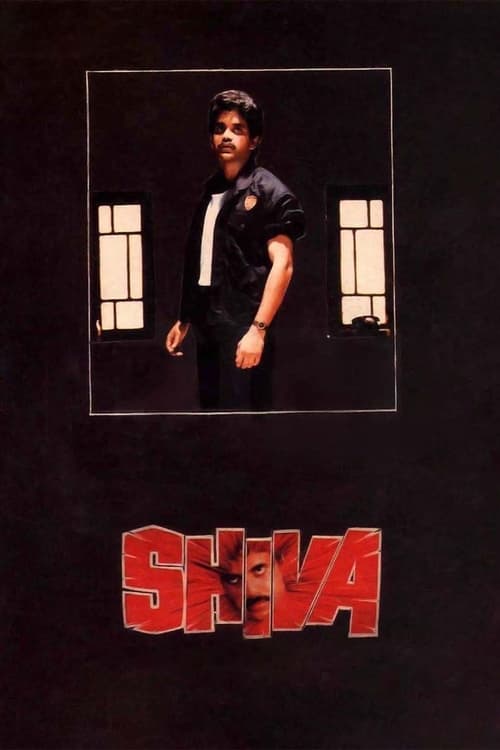
Shiva
1990
No user ratings available yet
Representation score: 3.0 out of 10

Representation Score
Limited
1989
Not RatedDirector
Ram Gopal Varma
Runtime
145 minutes
Average Rating
No ratings yetNew Showbiz Analysis
Siva stands as a gritty, realistic portrayal that diverges from traditional Indian melodrama, emphasizing the breakdown of institutional stability. It succeeds in offering an authentic, non-Western perspective that avoids the outsider's viewpoint, anchoring its narrative in specific regional realities. However, the film remains entrenched in traditional hierarchies. The storytelling is dominated by a predominantly masculine lens, where control and physical strength are almost exclusively attributed to male characters. Ultimately, while the film provides a powerful critique of systemic corruption and institutional failure, it falls short in representing LGBTQ+ identities and individuals with disabilities.
Category Breakdown
The film follows typical romantic storylines and assumes everyone is straight or cisgender. It does not show any non-cisgender gender identities or same-sex relationships among the students.
Male characters dominate the student unions, while female characters like Asha play supporting roles rather than driving the main conflict.
The film features a culturally unified, non-Western cast that reflects the socioeconomic conditions of the Indian academic setting. It avoids Western perspectives, offering a genuine local representation.
The story depicts the college as a place torn apart by systemic violence rather than intellectual pursuits. It explores moral relativism through the protagonist's descent into necessary vigilantism.
The film does not focus on neurodivergence, physical disabilities, or chronic illnesses. Characters are shown through the lens of physical ability, which is central to the action-driven plot.
Present on Screen
Limited or Absent
Official Synopsis
Siva is a new student in the community college. He is welcomed by a group of collegians, including the lovely Asha, to whom Shiva is instantly attracted. Shiva notices that there is violence within the college, perpetrated by people who are not even students. When he decides to find out their motives, he is met with violence, and threats. Now Shiva must decide to stand up for his college, or just carry on studying, finish college, and move on and get to on job.
1990

2001

2021

2003
1986
No reviews yet. Be the first to share your thoughts on this movie!
Use the rating form above to leave a star rating and optional review.