
Siva
1989
No user ratings available yet
Representation score: 2.6 out of 10
Representation Score
Limited
2001
Not RatedDirector
S. S. Rajamouli
Runtime
155 minutes
Average Rating
No ratings yetNew Showbiz Analysis
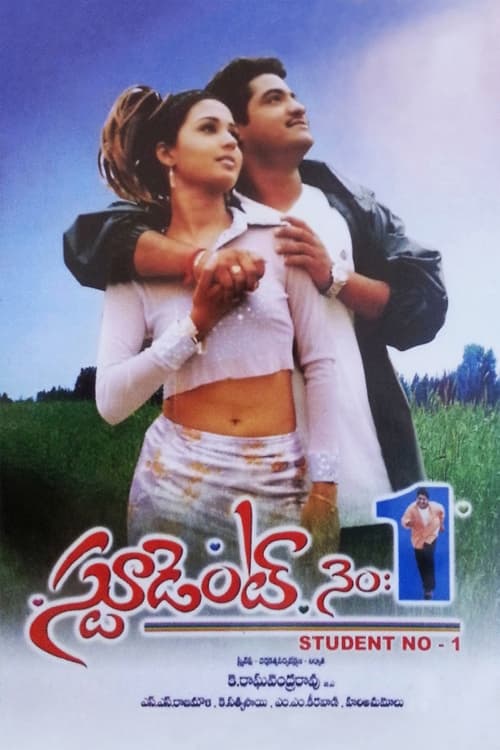
Student No. 1 is a traditional action-drama that upholds established social structures and conventional romantic arcs. The film centers around a hero's journey where the protagonist restores order to a chaotic campus environment. The narrative heavily relies on heterosexual norms and patriarchal values, such as fulfilling the protagonist's father's wishes. While it provides a culturally specific South Asian perspective, it lacks multi-layered complexity. Ultimately, the film reinforces traditional social hierarchies and gender roles without challenging them through diverse representation.
Category Breakdown
The story focuses on a typical romantic relationship between Aditya and Anjali, following heterosexual norms without any representation of LGBTQ+ identities or non-cisgender narratives.
Anjali is a key character, but the plot is driven by Aditya's actions, following a classic hero's journey centered around male leadership and social reform.
This Tollywood film features a predominantly South Asian cast, offering a local perspective on college life in the Visakhapatnam region.
The film highlights traditional values such as respect for elders and institutional rules, focusing on restoring social order without questioning existing hierarchies.
The narrative does not include any characters with visible or invisible disabilities.
Present on Screen
Limited or Absent
Official Synopsis
At his father's request, Aditya attends a law college in the coastal metropolis of Visakhapatnam, although he actually wanted to become an engineer. On the first day he meets the beautiful Anjali. Over time, the female student slowly begins to become interested in the strange newcomer, who acts nice and friendly but doesn't seem to be interested in anything else. The college is notorious for its disobediently and disorderly students. It's not the professors who are in charge on campus, but rather the student leader Satya. He is also in love with Anjali and sees Aditya as a competitor who needs to be put in his place. So Aditya faces multiple problems as he tries to reform the unruly students while dealing with his terrible past that everyone doesn't know about.
1989
2000
2003

2019
1990

2004
2019

2001
No reviews yet. Be the first to share your thoughts on this movie!
Use the rating form above to leave a star rating and optional review.