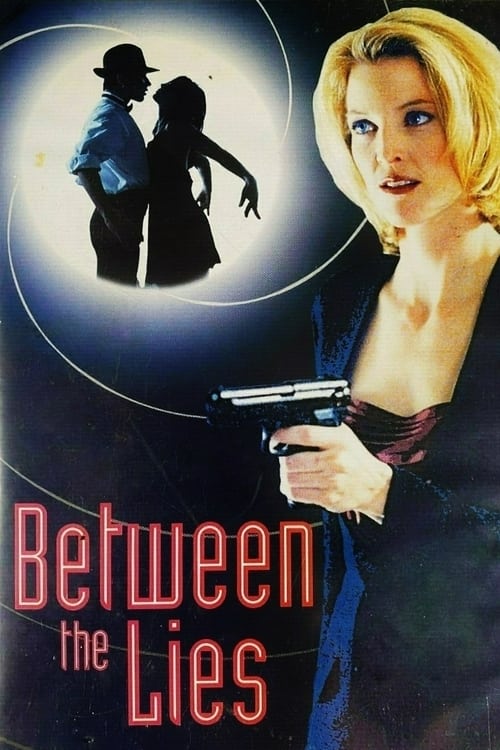
Between the Lies
1997
No user ratings available yet
Representation score: 0.8 out of 10
Representation Score
Minimal
1998
PG-13Director
Richard A. Colla
Runtime
87 minutes
Average Rating
No ratings yetNew Showbiz Analysis
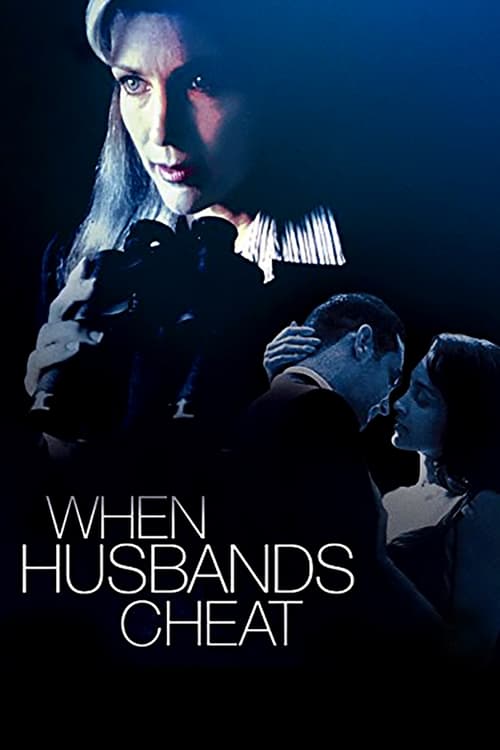
When Husbands Cheat functions as a standard domestic mystery typical of late-90s television. While it offers a degree of professional independence to its female protagonist, the story remains deeply tied to traditional social hierarchies and marital stability. The film lacks multi-layered complexity, focusing instead on individual suspicion within a conventional framework. It does not attempt to challenge traditional gender roles or critique the institutions it portrays. Ultimately, the production prioritizes archetypal storytelling over progressive representation or systemic social commentary.
Category Breakdown
The film does not include any LGBTQ+ characters or those who identify outside the cisgender norm. The main conflict revolves around traditional marital issues.
A female protagonist gains professional independence as a private investigator. However, the plot hinges on traditional feminine stereotypes related to suspicion within the home.
The story presents a conventional domestic drama without evident multi-layered diversity. It likely follows the homogeneous casting practices typical of late-90s television.
The story operates within traditional Western social values centered on marriage. It explores domestic truths without challenging broader societal institutions.
There is no mention of physical disabilities, neurodivergence, or mental health conditions. These elements do not play a central role in the narrative.
Present on Screen
Limited or Absent
Official Synopsis
After a woman helps prove her brother-in-law is cheating, she begins to work as a private investigator, but when she starts to suspect her husband is having an affair, she has to decide if she should follow her instincts or chalk it up to paranoia.
1997
1969

2002
2010

1990
2002

2009
2008
No reviews yet. Be the first to share your thoughts on this movie!
Use the rating form above to leave a star rating and optional review.