
Ghajini
2005
No user ratings available yet
Representation score: 4.0 out of 10
Representation Score
Fair
1990
Director
Deepak Balraj Vij
Average Rating
No ratings yetNew Showbiz Analysis
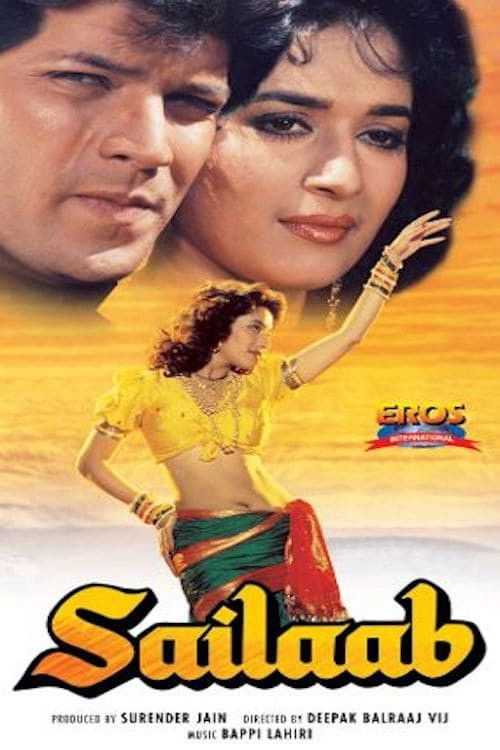
Sailaab is a product of 1990s commercial Indian cinema, prioritizing high-stakes melodrama over social subversion. The film relies on established genre conventions that reinforce traditional hierarchies rather than questioning them. While the film offers culturally specific South Asian representation, it lacks intentionality regarding gender or sexual diversity. The narrative uses character traits like cognitive impairment primarily as tools for plot progression rather than meaningful representation. Ultimately, the film functions as a standard romantic melodrama. It maintains the status quo of its era, focusing on individual emotional arcs rather than socio-political commentary.
Category Breakdown
The film follows traditional structures typical of early 90s Bollywood. It does not depict non-straight or non-cisgender identities or same-sex relationships.
Dr. Sushma holds professional authority but the narrative reinforces patriarchal dominance. The male protagonist's violent actions against her undermine her role in driving the story.
The cast is mainly South Asian, reflecting the demographic norms of the Indian film industry during its time. It maintains a homogeneous ethnic profile.
The story emphasizes romantic and familial melodrama over systemic critique. It operates within traditional social structures without challenging religious or institutional frameworks.
Memory loss serves as a key plot device for the romantic tragedy. However, it lacks a nuanced exploration of cognitive impairment or the experiences of neurodivergent individuals.
Present on Screen
Limited or Absent
Official Synopsis
Krishna is suffering from memory loss and is under the guidance of Dr Sushma. They fall in love and get married, but when Krishna gains his memory he tries to kill Dr Sushma.
2005

2011
1995

2021
1996
1991
1989

1996
No reviews yet. Be the first to share your thoughts on this movie!
Use the rating form above to leave a star rating and optional review.