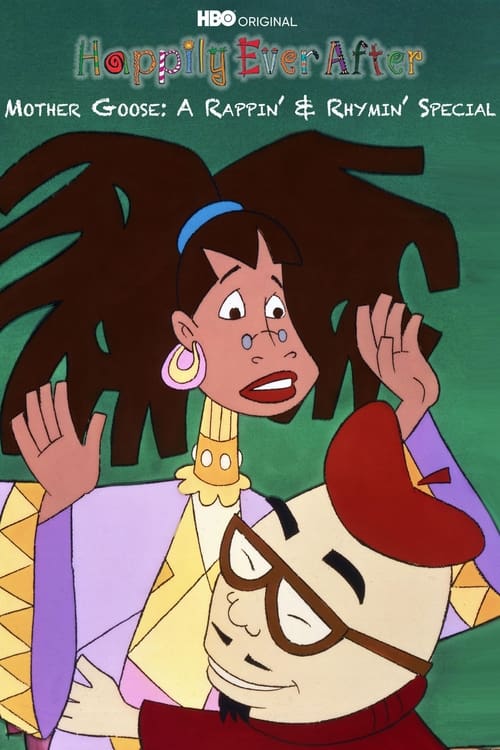
Mother Goose: A Rappin' and Rhymin' Special
1997
No user ratings available yet
Representation score: 5.8 out of 10
Representation Score
Limited
1995
Runtime
30 minutes
Average Rating
No ratings yetNew Showbiz Analysis
This musical anthology is anchored by the thematic depth of the Pocahontas segments, elevating the collection beyond a simple commercial product. By centering indigenous narratives and critiquing colonialist frameworks, the work engages with complex post-colonial themes. However, the compilation remains tied to mid-90s cinematic standards. While it offers strong cultural and racial critiques, it lacks representation for LGBTQ+ identities and physical disabilities, relying instead on idealized character archetypes. Ultimately, the work succeeds in disrupting homogeneous presentations through its lyrical content, even as it adheres to conventional norms.
Category Breakdown
The compilation focuses on traditional romantic relationships and character-driven musical numbers. There is no depiction of non-binary gender identities or same-sex intimacy.
Pocahontas showcases a strong female lead, while the collection leans on established Disney archetypes and traditional romantic dynamics.
The inclusion of Pocahontas significantly enhances racial diversity. The lyrics explicitly challenge colonialist perspectives and Eurocentric viewpoints, promoting a pluralistic worldview.
The centerpiece critiques Western expansionism and commodification of nature. It promotes a philosophy of spiritual interconnectedness that challenges traditional colonialist hierarchies.
The musical sequences offer no visible or intentional representation of neurodivergence or physical disabilities. Characters focus primarily on idealized physical forms and standard archetypes.
Present on Screen
Limited or Absent
Official Synopsis
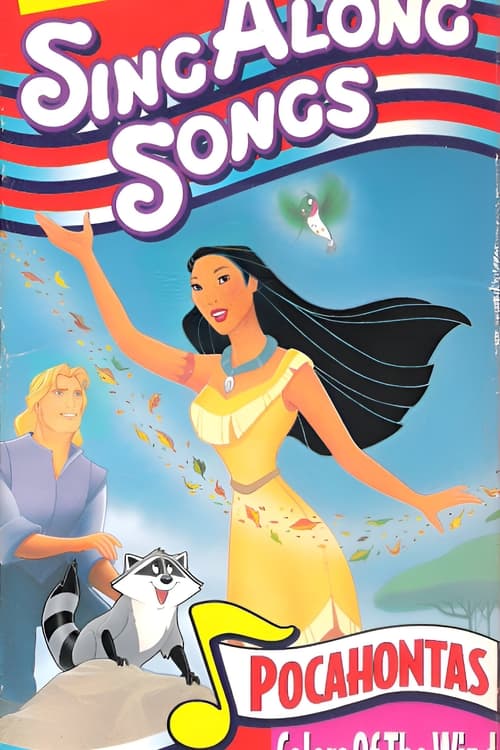
Sing, dance, and play along with your favorite Disney songs! It's fun and easy as you read the on-screen lyrics and join your favorite characters in their most memorable musical moments! Celebrate the music and learn your favorite songs from Disney's 33rd animated hit, Pocahontas! This colorful musical celebration includes "Just Around the Riverbend" and "Colors of the Wind". Plus, a new "Can You Feel the Love Tonight" montage from The Lion King, "The Work Song", and other popular Disney songs performed by your favorite Disney characters!
1997

2003
2018

1946
1933
1990
1987

1937
No reviews yet. Be the first to share your thoughts on this movie!
Use the rating form above to leave a star rating and optional review.