
Sisters
2001
No user ratings available yet
Representation score: 4.3 out of 10
Representation Score
Fair
2012
Director
Natalya Nazarova, Alexandr Kasatkin
Runtime
110 minutes
Average Rating
No ratings yetNew Showbiz Analysis
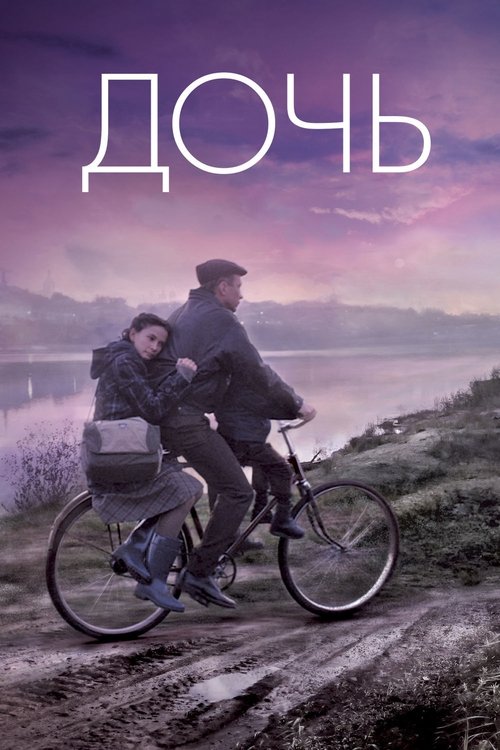
The Daughter is a conventional crime drama centered around tragedy and communal mourning. While the story places female characters at its emotional core, it relies on traditional clichés where women are primarily defined by their victimization by a serial killer. The film adheres to localized demographic norms, lacking multi-ethnic casting or diverse identities. It operates within established social and religious frameworks without challenging systemic hierarchies or exploring varied identities.
Category Breakdown
The film does not include any explicit LGBTQ+ characters or explore non-straight identities. The central friendship between Inna and Masha does not involve any queer themes.
Female characters play a key role in driving the emotional storyline. However, their influence is limited as they are primarily portrayed as victims within a tragic crime narrative.
The setting suggests a homogeneous environment with no indication of a multi-ethnic cast or diverse ethnic identities in the story.
Religious institutions, particularly the Church, serve as a central element for communal mourning. The story employs traditional Eastern/Western European social structures and funeral practices.
The narrative does not feature any characters with visible or invisible disabilities. There is no representation of neurodivergence or chronic illness in the story.
Present on Screen
Limited or Absent
Official Synopsis
Inna lives with her dad and little brother in a small town. Her life changes when a new girl, Masha, comes to her school. They become friends. But Masha is murdered by a maniac serial killer, who kills teenage girls in the town. Inna goes to church for the funeral service. There she meets the priest's son Ilya, whose sister was also murdered.
2001
1999
2005
1997

2005

2011
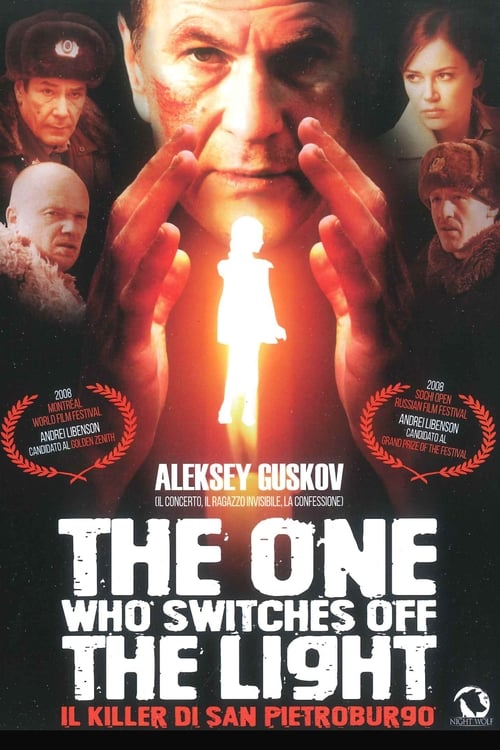
2008

2017
No reviews yet. Be the first to share your thoughts on this movie!
Use the rating form above to leave a star rating and optional review.