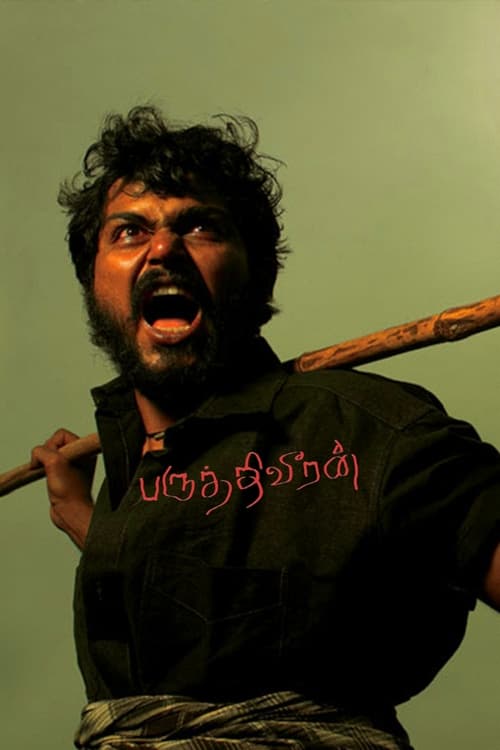
Paruthiveeran
2007
No user ratings available yet
Representation score: 4.6 out of 10

Representation Score
Limited
2003
Director
S. P. Jananathan
Runtime
142 minutes
Average Rating
No ratings yetNew Showbiz Analysis
Iyarkai stands out through its ecological philosophy rather than social identity politics. By treating the natural world as a character with inherent power, the film disrupts the traditional hierarchy of humans over nature. While the film follows conventional gender and LGBTQ+ norms, its subversion of anthropocentrism adds significant thematic depth. It prioritizes environmental sanctity over human-centric progress. The production stays true to its Tamil roots, avoiding globalized casting norms in favor of a localized, forest-based identity.
Category Breakdown
The film does not include LGBTQ+ characters or non-straight identities. The romantic storyline centers around a traditional heterosexual relationship without any queer undertones.
The female protagonist plays a significant role through her close connection to nature. She avoids submissive clichés but the film upholds traditional romantic structures and male leadership.
The cast is culturally uniform and Tamil, reflecting the local region. It avoids Western-centric casting by focusing on a localized, rural identity.
The story challenges human dominance over nature. It portrays the desire to control nature as a disruptive force, aligning with ecological ethics.
There are no visible or invisible disabilities depicted in the film. Characters with disabilities do not play central roles or serve as symbolic devices.
Present on Screen
Limited or Absent
Official Synopsis
Marudhu, a sailor, falls in love with Nancy, a fruit vendor. However, she waits for the captain who had promised that he would return and marry her.
2007
2011
2008

2017
1997
2012
2012

2012
No reviews yet. Be the first to share your thoughts on this movie!
Use the rating form above to leave a star rating and optional review.