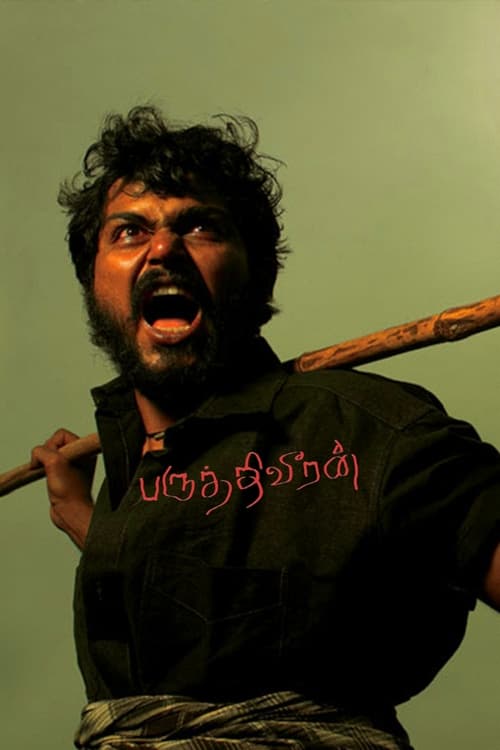
Paruthiveeran
2007
No user ratings available yet
Representation score: 4.6 out of 10
Representation Score
Minimal
1997
Not RatedDirector
Fazil
Runtime
160 minutes
Average Rating
No ratings yetNew Showbiz Analysis
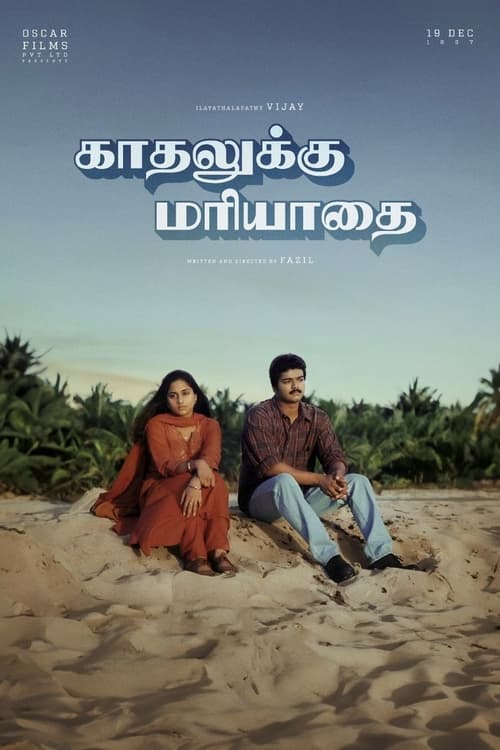
Kadhalukku Mariyaadai is a traditional romantic drama centered on the tension between personal desires and familial authority. The story adheres to established social norms, focusing on a conventional courtship that seeks approval rather than challenging systemic norms. The film's power dynamics are dominated by a patriarchal structure. While the male protagonist shows emotional persistence, the female lead's actions are constrained by her male relatives, limiting her individual freedom. While the film provides an authentic cultural portrayal of South Indian life, it does not offer diverse representations of identity. Instead, it focuses on traditional social norms without critiquing them.
Category Breakdown
The film follows a typical heterosexual romantic storyline. There are no indications of queer undertones or diverse gender identities within the narrative.
Gender hierarchies play a central role in the story. Mini's role is heavily influenced by her brothers and father, which limits her independence and autonomy.
The casting accurately reflects the ethnic makeup of the Tamil-speaking region. It offers an authentic glimpse into the middle-class life of South India without trying to diversify beyond its local context.
The narrative emphasizes family unity and respect for parental authority. It upholds traditional social structures without questioning or challenging them.
There is no focus on physical or neurological disabilities. No characters are used as plot devices related to disabilities.
Present on Screen
Limited or Absent
Official Synopsis
Jeevanandhan meets Mini in a book shop and their eyes meet leading to sparks of love in their hearts. Mini has a loving mother and three brothers, James, Thomas and Stephen and she is the apple of their eye. Mini is hesitant to reciprocate her love for Jeeva who steadily makes an inroad into her heart, the love affair incensing her family members who give him a thrashing each time he meets her. Jeeva's parents are under the impression that their son is pursuing his MBA studies until his father receives an SOS from Jeeva, injured in one such beatings. His father Chandrasekhar is stunned by the developments and Jeeva's mother is also shocked. Jeeva refuses to part company with Mini when his father arrives with his henchmen to take him back.
2007
1989
2008

2005
2012

2003
2003
2012
No reviews yet. Be the first to share your thoughts on this movie!
Use the rating form above to leave a star rating and optional review.