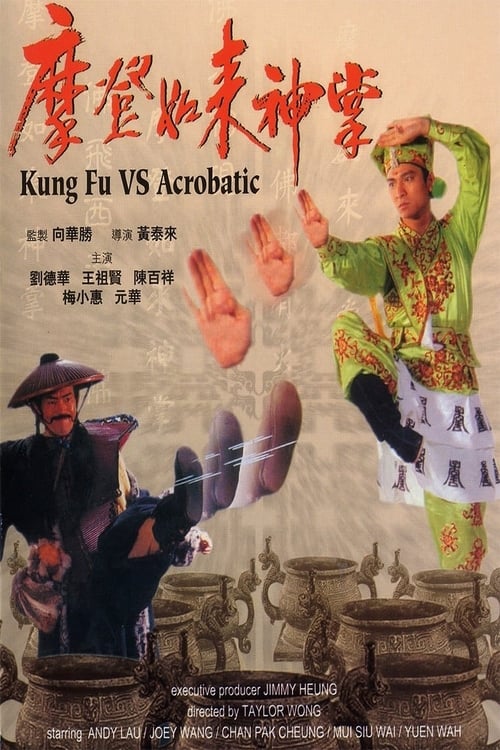
Kung Fu Vs. Acrobatic
1990
No user ratings available yet
Representation score: 3.5 out of 10
Representation Score
Fair
1993
Director
Yeung Wai-Yip, Wong Jing
Runtime
82 minutes
Average Rating
No ratings yetNew Showbiz Analysis
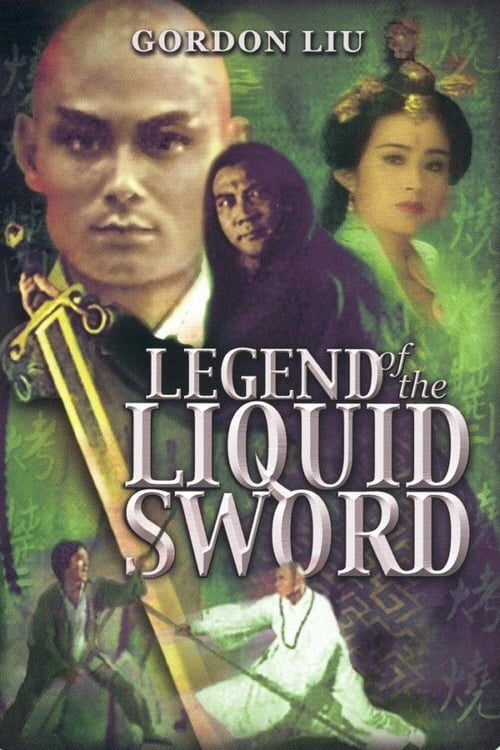
Legend of the Liquid Sword offers a culturally rich experience by centering East Asian martial traditions and philosophical combat. It avoids Western-centric hierarchies by focusing on the Wuxia genre's unique lineage and skill-based identity. The film successfully provides female characters with combat parity. Mo-fa's role as a peer to the hero challenges common clichés of submissive female leads in period cinema. However, the film remains within conventional boundaries regarding identity politics. It lacks representation of LGBTQ+ identities or queer-coded subtext, and does not address disability, focusing instead on kinetic entertainment and the subversion of social authority.
Category Breakdown
The film focuses on traditional martial arts companionship and heterosexual romantic tension. There is no indication of queer-coded subtext or non-cisgender identities within the narrative.
Mo-fa serves as a martial arts peer to the protagonist rather than a passive figure. Her ability to fight Chor Lau-heung to a stalemate demonstrates significant strength and ability to act.
The story centers on an East Asian framework through the Wuxia genre. It explores identity via lineage and skill, utilizing the Shaolin Monastery to ground the film in Asian traditions.
The narrative challenges formal authority and traditional rites, such as a prince's wedding. This irreverence highlights a focus on personal freedom over strict social or royal decorum.
No visible or invisible disabilities are portrayed as impacting the narrative arc.
Present on Screen
Limited or Absent
Official Synopsis
The young Chor Lau-heung learns martial arts from Tuk-ku Kau-pai and has attained a high level of skill. His teacher sends him to Shaolin Monastery to attend a contest that is held once every ten years. On the journey, Chor meets Wu Tit-fa and Chung-yuen Yat-dim-hung. When Chor arrives at Shaolin, he fights with a Shaolin student called Mo-fa but neither of them is able to defeat each other. They decide to have a match again on another day. One night, Chor meets Mo-fa and strike up a conversation with her. Both of them decide to enter the palace in search of adventure. They disturb the prince on his wedding night but are accidentally caught in a trap and only manage to escape with the help of Chor's friends.
1990

1983
2004

1996

1982
2003
1981

1979
No reviews yet. Be the first to share your thoughts on this movie!
Use the rating form above to leave a star rating and optional review.