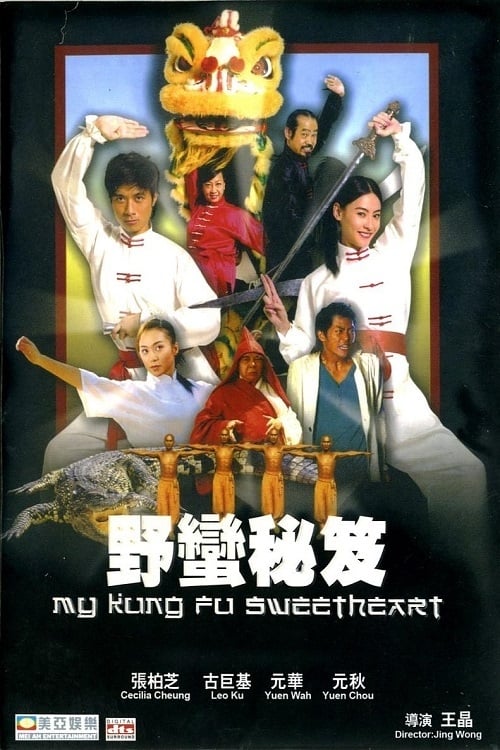
My Kung Fu Sweetheart
2006
No user ratings available yet
Representation score: 3.9 out of 10
Representation Score
Fair
2004
PG-13Director
Wilson Yip
Runtime
93 minutes
Average Rating
No ratings yetNew Showbiz Analysis
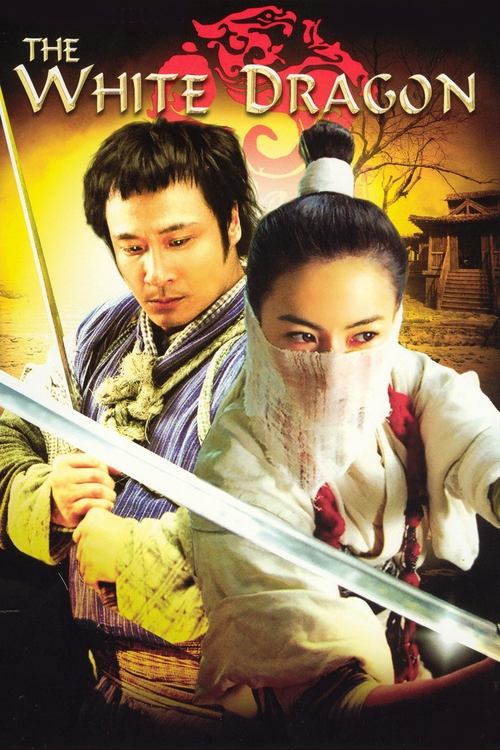
The White Dragon is a genre-standard wuxia tale that finds its strength in empowering its female lead through martial arts mastery, disrupting the cliché of the passive heroine. However, the film stays within traditional storytelling confines, adhering to conventional romantic structures and a culturally homogeneous perspective. Ultimately, the film offers a culturally specific narrative that empowers its female lead but lacks the progressive social deconstruction found in more contemporary, diverse media.
Category Breakdown
The story focuses on a romantic connection between a noblewoman and a prince, following traditional patterns common to period-fantasy genres without explicitly addressing LGBTQ+ themes.
The film challenges traditional gender roles by giving the female protagonist extraordinary martial arts skills, providing her with significant influence and physical competence.
As a Hong Kong production, the film features a predominantly East Asian cast, centering non-Western aesthetics but remaining culturally homogeneous.
The narrative explores individual morality through the concept of performing good deeds, leaning towards traditional moral clarity rather than deconstructing institutional power or systemic oppression.
There is no evidence regarding the portrayal of physical or neurodivergent disabilities in this film.
Present on Screen
Limited or Absent
Official Synopsis
In this swordfighting comedy, a young noblewoman falls in love with a prince of the Imperial House. By accident, she acquires the martial arts skills of the White Dragon. New in her power, she learns that there are definite advantages in performing "good deeds" as the Little White Dragon.
2006
1993
1994

1993
1993
2003

1990
2016
No reviews yet. Be the first to share your thoughts on this movie!
Use the rating form above to leave a star rating and optional review.