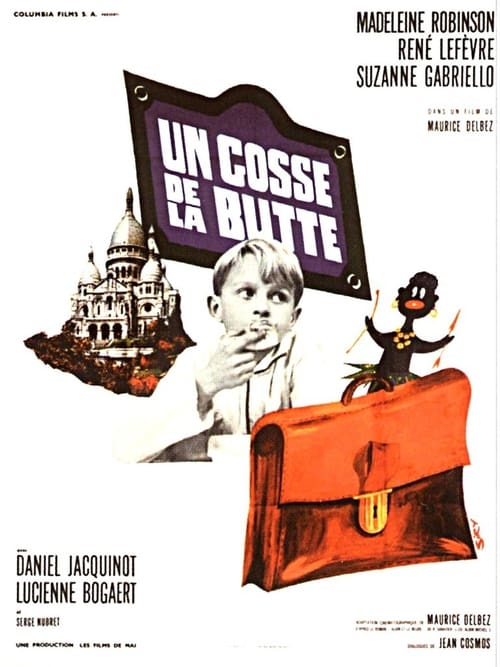
Un gosse de la butte
1964
No user ratings available yet
Representation score: 1.1 out of 10
Representation Score
Minimal
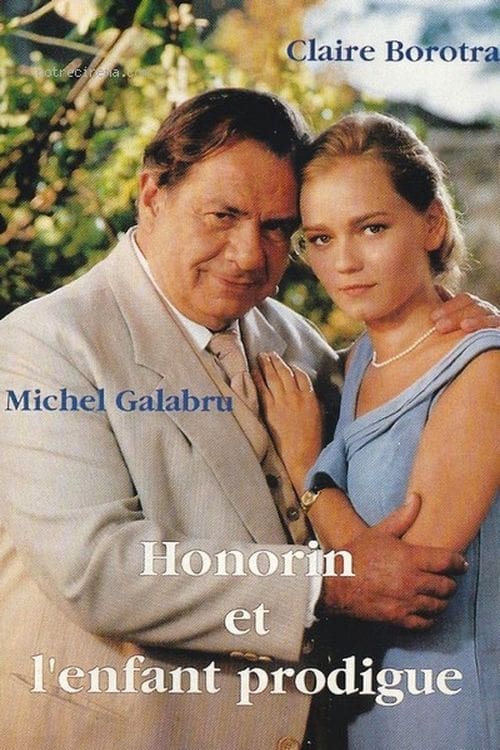
1994
Director
Jean Chapot
Runtime
99 minutes
Average Rating
No ratings yetNew Showbiz Analysis
Honorin et l'enfant prodigue is a conventional period drama set in 1930s rural France. The story centers on a localized interpersonal conflict involving a village mayor and a child claiming biological parenthood. The film adheres to traditional social structures and mid-20th-century norms, prioritizing established hierarchies and familial responsibility over exploring diverse identities or disrupting cultural status quos. Due to its historical demographic constraints, the film lacks significant representation of racial, LGBTQ+, or disability issues, resulting in a standard, non-challenging approach to storytelling.
Category Breakdown
The film doesn't include any characters with non-straight identities. The storyline revolves around traditional family structures and biological connections.
A female character drives the main conflict, giving her a significant role in the story. However, the emphasis on patriarchal lineage might reinforce traditional gender roles.
Set in a 1930s French village, the setting suggests a homogeneous Eurocentric environment. The production likely mirrors the historical demographics of that time and place.
The story follows a traditional Western framework centered on village hierarchy. It highlights established social order and local authority without challenging these norms.
There is no information about the portrayal of physical disabilities or neurodivergence in this production.
Present on Screen
Limited or Absent
Official Synopsis
In 1930, Honorin, the mayor of a small village, receives a visit from a young girl claiming to be his child.
1964

2016

2018
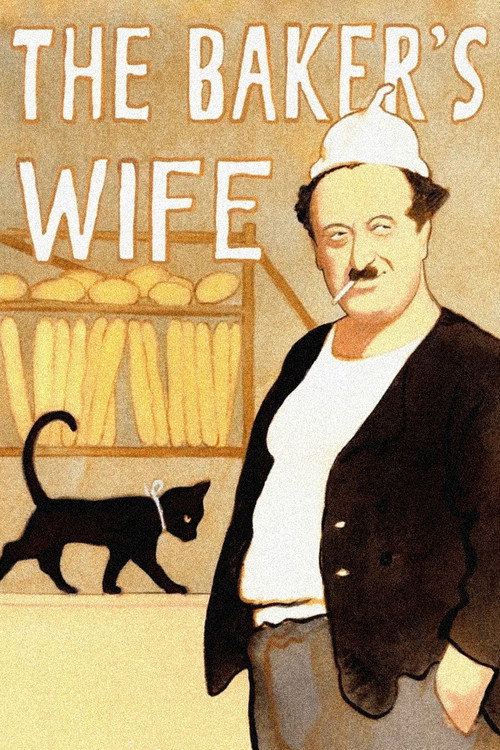
1938

1997

2017

2003
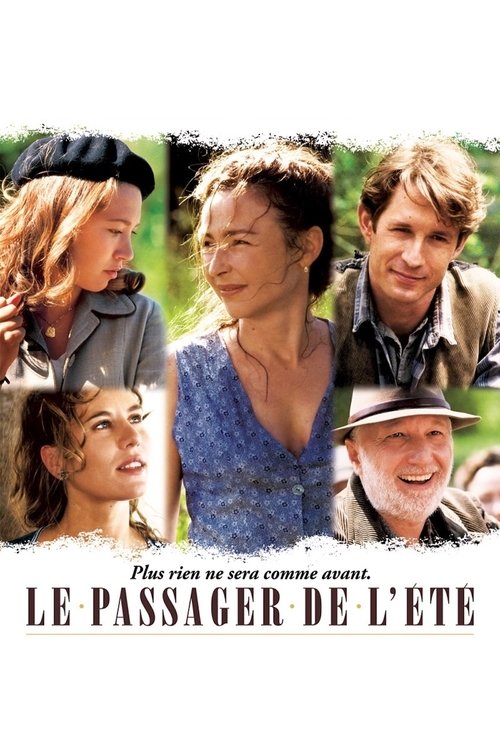
2006
No reviews yet. Be the first to share your thoughts on this movie!
Use the rating form above to leave a star rating and optional review.