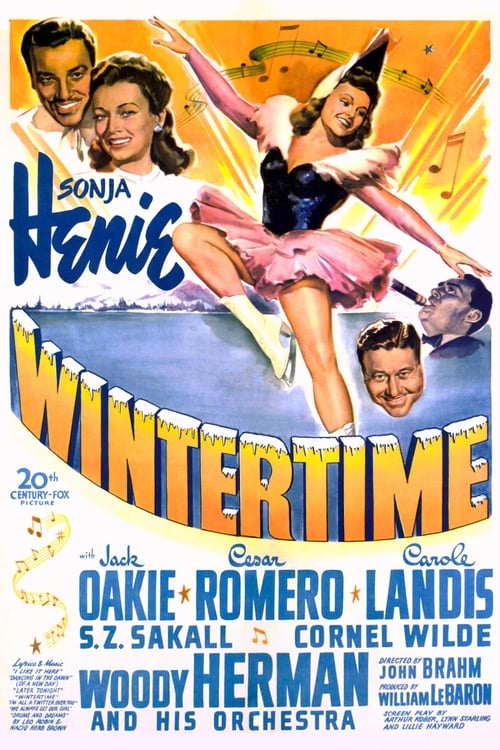
Wintertime
1943
No user ratings available yet
Diversity score: 2.3 out of 10
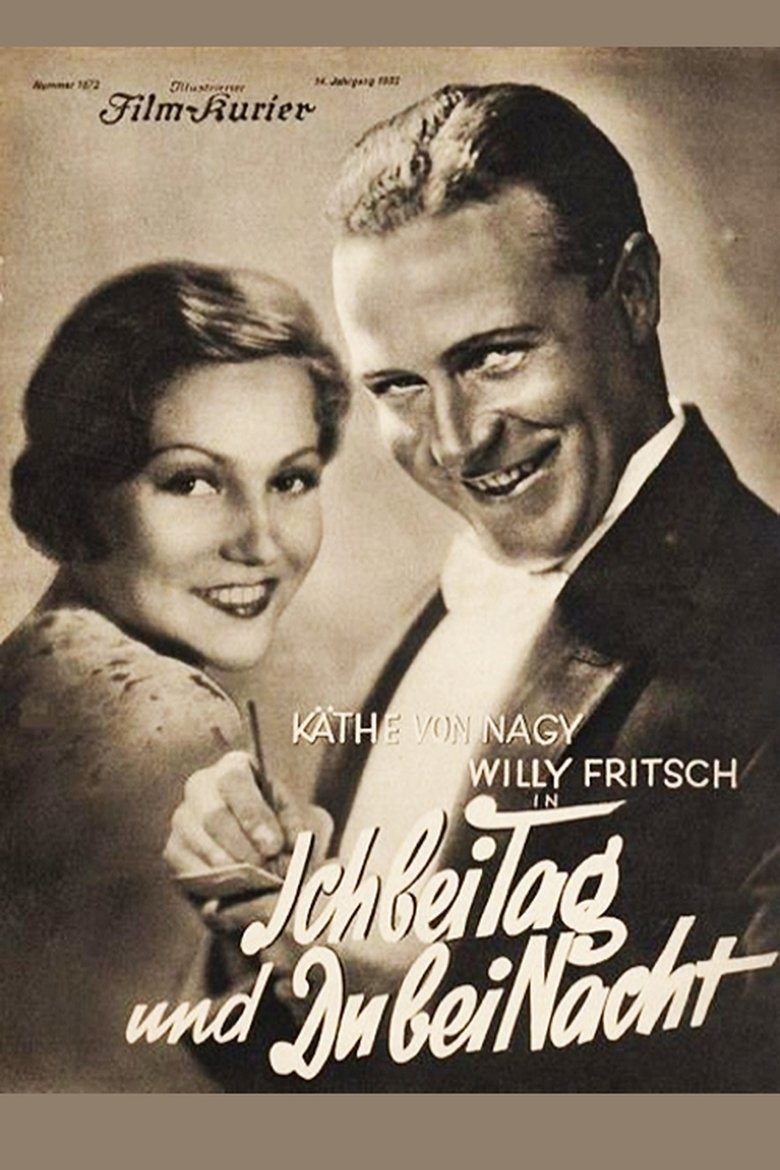
1932
Director
Ludwig Berger
Runtime
98 minutes
Average Rating
No ratings yetSynopsis
A nightclub waiter and a manicurist share the same room, he sleeps there by night and she by day. They've never meet , but they can't stand each other. Then they meet by chance, not knowing who's who and fall in love.
Overall Score
Limited
Category Breakdown
LGBTQ+ Representation
The film follows a conventional romantic trajectory centered on a heterosexual pairing. There is no evidence of non-cisnormative identities or same-sex intimacy.
Gender Representation
The female protagonist shows independence through her profession as a manicurist. However, the plot ultimately resolves through traditional romantic tropes and established gender hierarchies.
Racial & Ethnic Diversity
The cast is homogeneous, reflecting the high-society European comedies of the era. There is no evidence of racial blending or significant non-Anglo-Saxon characters.
Religious & Cultural Diversity
The narrative prioritizes escapism and reinforces traditional Western social structures. It celebrates the elegance of its contemporary setting without offering social critique.
Disability Representation
Characters are portrayed as able-bodied individuals. There is no evidence of characters with visible or invisible disabilities within the film.
Strengths
Areas for Improvement
AI Analysis
Ludwig Berger’s musical comedy is a quintessential product of the early sound era, designed for lighthearted escapism rather than social disruption. It adheres strictly to the traditional narrative frameworks of the 1930s, focusing on romantic reconciliation and class-based elegance. The film lacks intersectional complexity, offering a homogeneous view of urban life. It functions as a polished piece of entertainment that reinforces existing social mores rather than questioning them.
1943

1949
1943
1937

1938
1938

1941
1935

1938

1935

1930

1930
No reviews yet. Be the first to share your thoughts on this movie!
Use the rating form above to leave a star rating and optional review.