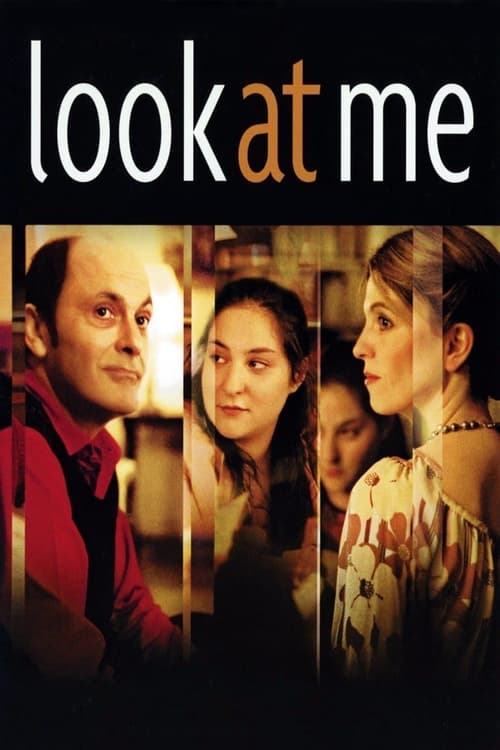
Look at Me
2004
No user ratings available yet
Representation score: 6.8 out of 10
Representation Score
Fair
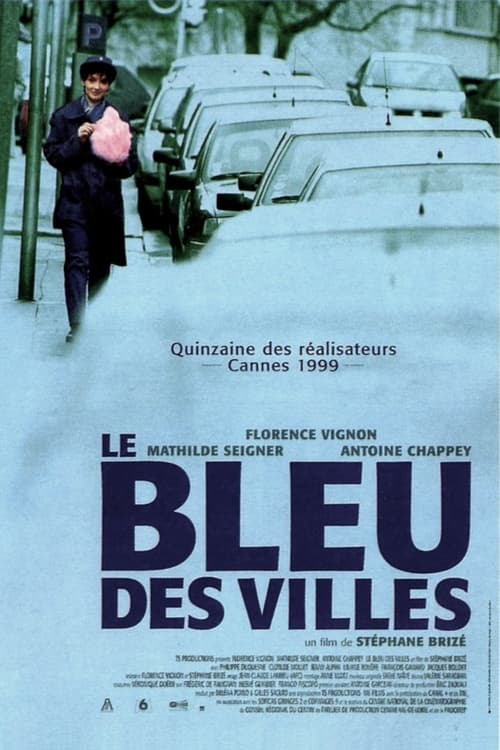
1999
Director
Stéphane Brizé
Runtime
101 minutes
Average Rating
No ratings yetNew Showbiz Analysis
Stéphane Brizé’s film is a character study that finds strength in its critique of conventional social stability. By centering on a woman's struggle for ability to act against a restrictive marriage, it successfully deconstructs patriarchal leadership and domestic stagnation. However, the film lacks significant visibility regarding racial and LGBTQ+ identities. The narrative remains anchored in a specific, homogeneous regional demographic, which limits its broader social representation. Ultimately, the work succeeds as a nuanced exploration of individual truth, even if it stays within traditional social boundaries regarding ethnicity and explicit queer identity.
Category Breakdown
The film explores an emotional connection and admiration between Solange and Mylène. While this intimacy goes beyond Solange's isolated life, the narrative does not explicitly define a queer romantic relationship.
Solange's pursuit of artistic identity challenges expectations of female passivity. The story critiques traditional domestic hierarchies by prioritizing her personal aspirations over her role as a wife.
The narrative focuses on a localized, homogeneous French social setting. There is no evidence of a multi-ethnic cast or the subversion of racial casting norms.
The film critiques the stability of the nuclear family and traditional working-class dreams. Solange's move to Paris represents a rejection of stagnant provincial norms for individual self-actualization.
The film touches on Solange's withdrawn nature and emotional setbacks. However, there is no explicit evidence of characters with visible or diagnosed disabilities.
Present on Screen
Limited or Absent
Official Synopsis
Solange is unhappy. She's a meter maid in Tours, working in the rain, subject to verbal abuse from those she cites. Her husband Patrick is consumed by the work of finishing their new house: carpet, tile, faucets. He's also a hothead, subjecting Sonange to tantrums. While she's often quiet and withdrawn, she longs to be a singer. When by chance she meets Mylène, an accomplished, beautiful Parisian writer she admires, Solange gives her a demo tape. Mylène is encouraging, a friendship of sorts develops, and when Solange despairs after a series of personal, emotional setbacks, she heads for Mylène's doorstep in Paris. Does a singing career await, and what about Patrick?
2004

2017

2023
2003

2006

1982

2022

1984
No reviews yet. Be the first to share your thoughts on this movie!
Use the rating form above to leave a star rating and optional review.