Le Bleu des villes
1999
No user ratings available yet
Representation score: 5.0 out of 10
Representation Score
Fair
2003
Director
Amos Kollek
Runtime
98 minutes
Average Rating
No ratings yetNew Showbiz Analysis
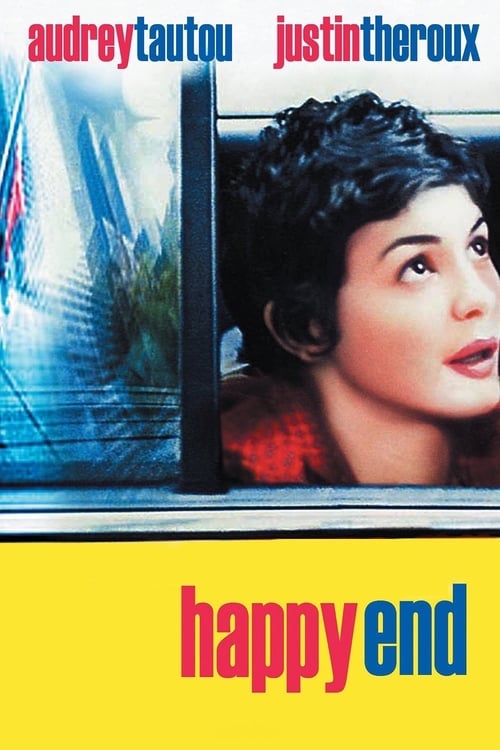
Happy End is a character study focusing on postmodern alienation and the fragmentation of identity. It quietly challenges social norms by prioritizing individual subjectivity over traditional heroic arcs or institutional stability. The film successfully deconstructs traditional gender hierarchies, presenting an egalitarian and vulnerable dynamic between the leads. However, it remains limited by a homogeneous demographic and a lack of diverse ethnic representation. Ultimately, the work offers a progressive perspective on moral relativism and existential fatigue, even though it lacks broad identity-based representation.
Category Breakdown
The film does not include visible representations of non-binary identities or same-sex relationships. It focuses on the traditional relationship between the two main characters, following a conventional storyline.
The film challenges traditional gender roles by showing both main characters as equally vulnerable and emotionally exposed. This avoids reinforcing stereotypes of dominant masculinity or submissive femininity.
The production features a predominantly white cast, reflecting a homogeneous demographic. There is no indication of efforts to integrate diverse ethnic groups.
The story prioritizes personal, fragmented experiences over a unified moral or religious framework. It critiques traditional societal stability by depicting dreams as unattainable and burdensome.
While the film explores mental exhaustion and urban alienation, it does not explicitly depict neurodivergence or physical disabilities as central character traits.
Present on Screen
Limited or Absent
Official Synopsis
Val is 23 years old and full of dreams. She travels to New York to become an actress. She is lonely in a strange country, in a strange city, with little money and no friends. In her path, she meets weird people who they, also, seek their dreams but everyday life gets in the way. Tired and hungry she sits on the corner of a building. Across the street a writer whose fantasy has dry out. In an instant she becomes his muse... At the Oscar's night she will be the one with the Golden Globe in her hands.
1999

2006

2018

2017
2007
2020
2016

2003
No reviews yet. Be the first to share your thoughts on this movie!
Use the rating form above to leave a star rating and optional review.