Bacon & God's Wrath
2015
No user ratings available yet
Representation score: 5.8 out of 10
Representation Score
Limited
1992
Director
Joyce Borenstein
Runtime
29 minutes
Average Rating
No ratings yetNew Showbiz Analysis
The film excels as a specialized biographical work that uses animation to explore the complexities of ethnic identity and memory. By focusing on the Jewish immigrant experience in Montreal, it offers a non-hegemonic perspective that challenges standard Western documentary norms. However, the film lacks engagement with LGBTQ+ or disability narratives, which limits its breadth of representation. While it provides a significant role in driving the story to the female director, the central subject remains a male figure. Ultimately, the work is a sophisticated study of diaspora and heritage, providing depth to a specific minority community's socioeconomic and cultural journey.
Category Breakdown
The film does not include any LGBTQ+ characters or non-assuming gender matches what was assigned at birth identities.
The documentary focuses on a patriarchal figure, but the narrative is driven by the daughter's actions. The daughter takes control by creating this subjective reconstruction.
The documentary highlights the Jewish immigrant experience in Montreal, offering a non-Anglo-Saxon perspective that challenges traditional Western-centric narratives.
The film examines Jewish cultural and religious identity through the lens of memory. It emphasizes the importance of preserving heritage as a means of resisting assimilation.
There is no depiction of physical or neurodivergent disabilities in the film.
Present on Screen
Limited or Absent
Official Synopsis
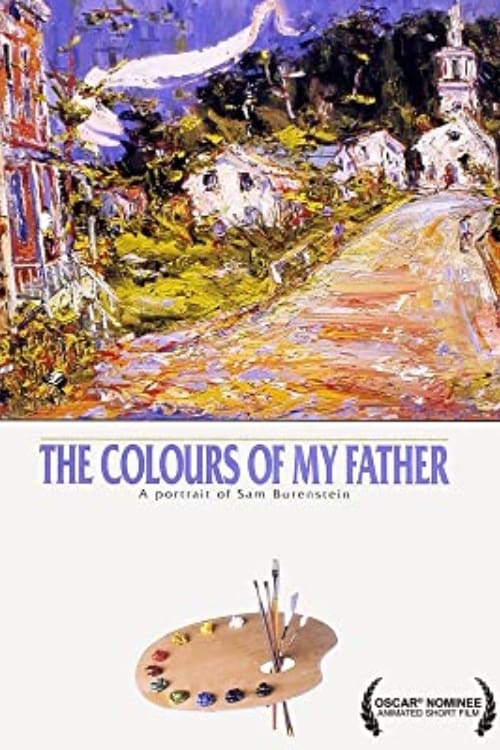
The Colours of My Father: A Portrait of Sam Borenstein is a 1992 short animated documentary directed by Joyce Borenstein about her father, the Canadian painter Sam Borenstein. It was nominated for an Academy Award for Best Documentary Short. In Canada, it was named best short documentary at the 12th Genie Awards.
2015
1995
2014
2012
2020
1951

2017
2021
No reviews yet. Be the first to share your thoughts on this movie!
Use the rating form above to leave a star rating and optional review.