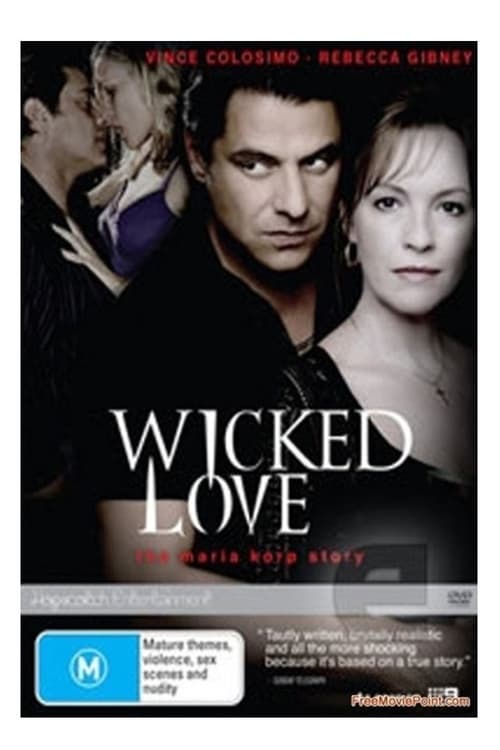
Wicked Love: The Maria Korp Story
2010
No user ratings available yet
Representation score: 2.5 out of 10
Representation Score
Limited
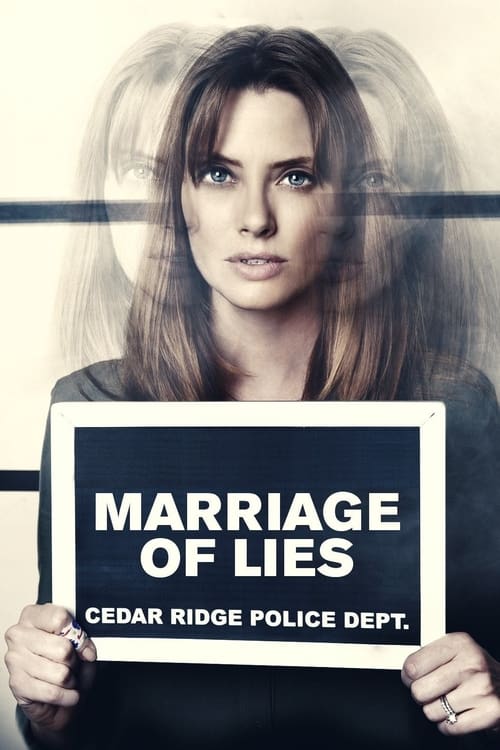
2016
TV-PGDirector
Danny J. Boyle
Runtime
83 minutes
Average Rating
No ratings yetNew Showbiz Analysis
Marriage of Lies is a character-driven mystery that prioritizes individual ability to act over social critique. While the film empowers its female lead through an investigative role, it remains tethered to conventional genre clichés. The narrative lacks depth in reflecting multiple aspects of identity, focusing instead on a traditional domestic crisis. The absence of diverse racial, cultural, or LGBTQ+ perspectives keeps the film within a narrow, straight-centered framework. Ultimately, the film functions as a standard thriller. It provides a degree of gendered empowerment but fails to engage with broader systemic or cultural complexities.
Category Breakdown
The film centers on a traditional marriage between a husband and wife, with no apparent LGBTQ+ characters or narratives that challenge the assumption that everyone is straight or cisgender.
Rachel is a strong protagonist who plays a significant role in driving the story. She investigates to clear her name, avoiding the cliché of the passive victim in thrillers.
The cast and Iowa setting suggest a lack of visible racial diversity. There is no documented emphasis on multi-layered casting or non-white representation.
The story operates within traditional Western social structures centered on marriage. It lacks evidence of anti-institutional sentiment or diverse cultural frameworks.
Keywords mention anxiety and medication, but it is unclear if these represent meaningful character arcs. There is no confirmed representation of neurodivergence or chronic illness.
Present on Screen
Limited or Absent
Official Synopsis
When Rachel’s husband disappears, the police have one suspect: her. While trying to prove her innocence, she uncovers many secrets about the man she married.
2010
2001
1996

2021

2024
2010
1993

2012
No reviews yet. Be the first to share your thoughts on this movie!
Use the rating form above to leave a star rating and optional review.