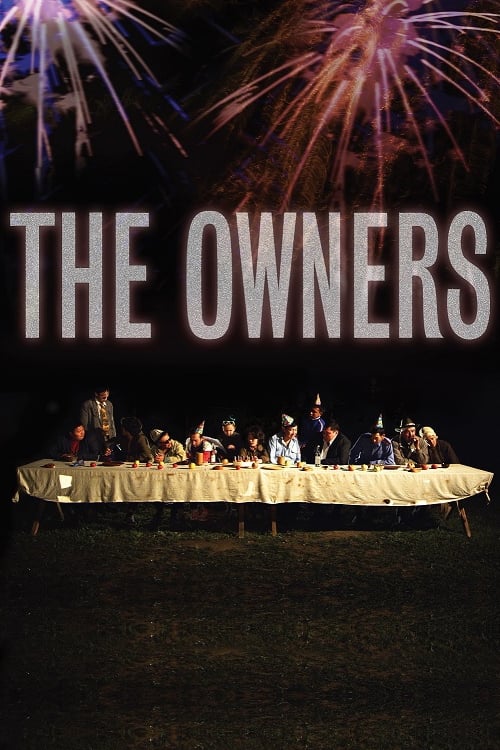
The Owners
2014
No user ratings available yet
Representation score: 6.0 out of 10
Representation Score
Limited
2002
Director
Jamshed Usmonov
Runtime
91 minutes
Average Rating
No ratings yetNew Showbiz Analysis
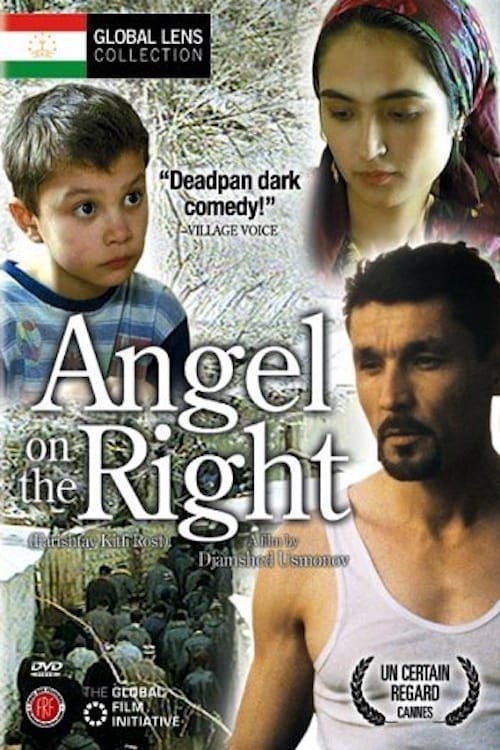
Angel on the Right is a significant work of regional cinema that prioritizes Central Asian authenticity over Western archetypes. It succeeds by utilizing local populations to reclaim identity. However, the film remains tied to traditional social structures. Gender dynamics reflect a patriarchal framework, and the narrative lacks representation for LGBTQ+ or disabled characters. Ultimately, the film's value lies in its cultural specificity and its nuanced exploration of survival amidst the systemic instability of a post-Soviet landscape.
Category Breakdown
The film focuses on familial obligations and socioeconomic tensions in post-Soviet Tajikistan. There are no LGBTQ+ characters or narratives within the plot.
The narrative depicts a patriarchal social structure typical of its setting. While the domestic couple is formidable, the film largely reinforces traditional family hierarchies.
The film excels in ethnic specificity by centering Tajik identities. By casting the actual population of Asht, it provides a significant role in driving the story to a non-Anglo-Saxon majority.
The story offers a sophisticated critique of the vacuum left by the Soviet Union's collapse. It explores the tension between state authority and religious identity.
There is no specific evidence regarding the portrayal of physical or neurodivergent disabilities in the narrative.
Present on Screen
Limited or Absent
Official Synopsis
An unrepentant prodigal son straight out of a Russian jail returns to his hometown, Asht, to help his mother die with dignity. But his debts in his hometown are many and long overdue, the townspeople are tough as nails, and he soon gets more than he expected from the quiet village. In this dark comedy, his third feature, writer-director Jamshed Usmonov cast the population of Asht as its own persuasive self and his own mother and brother as the fractured yet formidable domestic couple.
2014
2017
2014
2018

1999
2014

2022
2013
No reviews yet. Be the first to share your thoughts on this movie!
Use the rating form above to leave a star rating and optional review.