Miracle in Cell No. 7
2022
No user ratings available yet
Representation score: 5.8 out of 10
Representation Score
Limited
1996
Director
Fernando León de Aranoa
Runtime
98 minutes
Average Rating
No ratings yetNew Showbiz Analysis
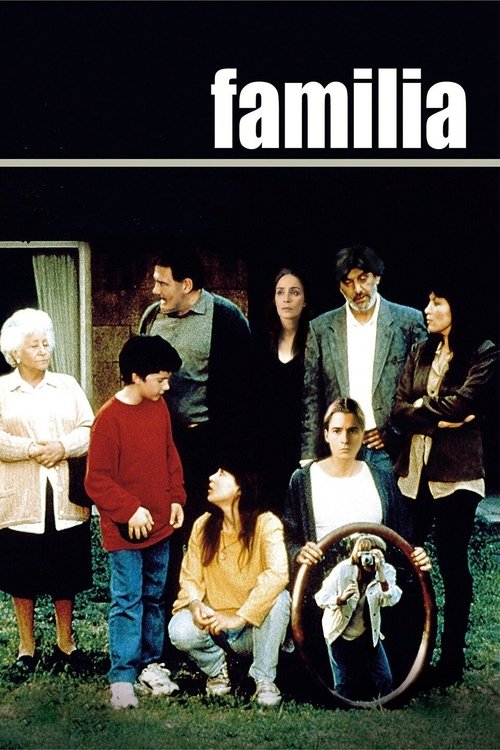
Familia is a character-driven social realism film that dismantles domestic stereotypes rather than focusing on characters who reflect more than one aspect of diversity. It effectively challenges the image of a stable patriarch by showing a protagonist defined by emotional inadequacy and interpersonal dysfunction. However, the film falls short in representing diverse identities. It lacks LGBTQ+ characters and maintains a racially homogenous cast typical of its Spanish setting. While it uses physical traits like vision impairment to create conflict, these elements serve more as narrative devices than as meaningful character studies. Ultimately, the film's strength lies in its refusal to idealize the nuclear family, though it remains constrained by its narrow demographic focus.
Category Breakdown
The film centers on a traditional family structure and does not include any LGBTQ+ characters or narratives about non-cisgender identities.
Santiago acts as a patriarchal figure who breaks down the stereotype of a stable male leader. His emotional instability and rejection of his children challenge the idealized father archetype.
Set in Madrid, the film features a predominantly white cast typical of mid-90s Spanish social realism. There is no significant representation of non-white individuals.
The story critiques the traditional family unit by depicting the home environment through dysfunction. It avoids glorifying the 'sacred' institution of the family.
A son's need for glasses is mentioned, but disability is used mainly as a source of conflict for the protagonist. The character does not have much independent ability to act in this context.
Present on Screen
Limited or Absent
Official Synopsis
Santiago wakes up like any other morning. He goes down to the kitchen and his whole family is waiting for him: it's his birthday. They all sing "Happy Birthday to You" and give him presents. But when he opens the present of his youngest son, he gets angry and says he doesn't like it. The boy starts crying and saying that he loves him, but Santiago answers that he doesn't believe him and he tells the boy that he is fired and that he wants another son, who is thinner, who doesn't need glasses and who resembles him more. Written by Pablo Montoya
2022
1996

2009

2003

2008

2012
2005
1967
No reviews yet. Be the first to share your thoughts on this movie!
Use the rating form above to leave a star rating and optional review.