A Son's Promise
1990
No user ratings available yet
Representation score: 1.9 out of 10
Representation Score
Limited
2005
Not RatedDirector
Michael Switzer
Runtime
99 minutes
Average Rating
No ratings yetNew Showbiz Analysis
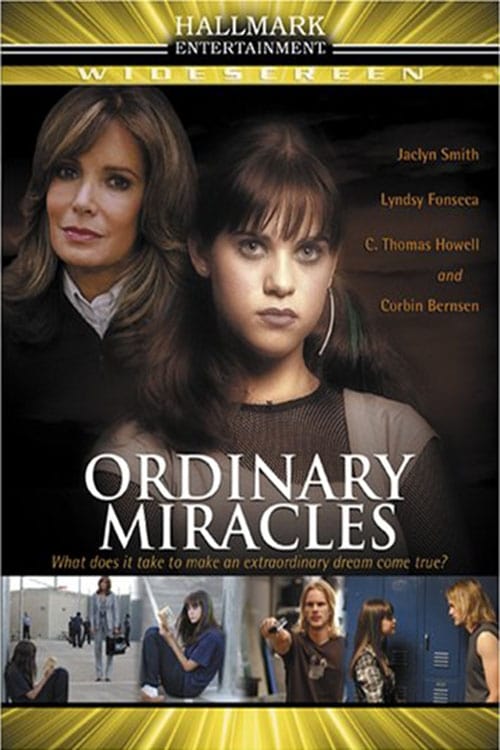
Ordinary Miracles is a conventional mid-2000s television drama that prioritizes individual character growth over systemic interrogation. While it offers a strong female lead in a position of legal authority, the film remains rooted in traditional domestic clichés. The narrative focuses heavily on the restorative role of the maternal figure and the stability of the nuclear family. It avoids engaging with identity politics, opting instead for a story about personal redemption and social reintegration. Ultimately, the film functions as a standard family drama. It lacks significant representation of LGBTQ+ identities or diverse racial perspectives, focusing its energy on class-based familial struggles.
Category Breakdown
The story centers on heterosexual relationships, specifically a teenage girl and her male boyfriend. There are no non-binary gender identities present in the narrative.
Kay Woodbury provides a nuanced look at a powerful female judge. However, the plot relies on traditional clichés of emotional labor and domestic stability.
The film follows a conventional casting structure without a non-white majority. The narrative focuses on class and family instability rather than racial or ethnic identity.
Themes of systemic failure in foster care are explored through a lens of traditional morality. The arc emphasizes reintegration into social norms rather than institutional critique.
There is no specific evidence regarding physical or neurodivergent disabilities. The protagonist's behavioral struggles are not explicitly categorized as a disability.
Present on Screen
Limited or Absent
Official Synopsis
A tough judge takes in a foster child with nowhere to go. Attempts to reunite child with long lost father end badly with the rebellious child running away.
1990
1995

2005

2015

2021

2015

2008

1996
No reviews yet. Be the first to share your thoughts on this movie!
Use the rating form above to leave a star rating and optional review.