
Altman
2014
No user ratings available yet
Diversity score: 7.1 out of 10
2016
NRDirector
Karen Bernstein, Louis Black
Runtime
90 minutes
Average Rating
No ratings yetSynopsis
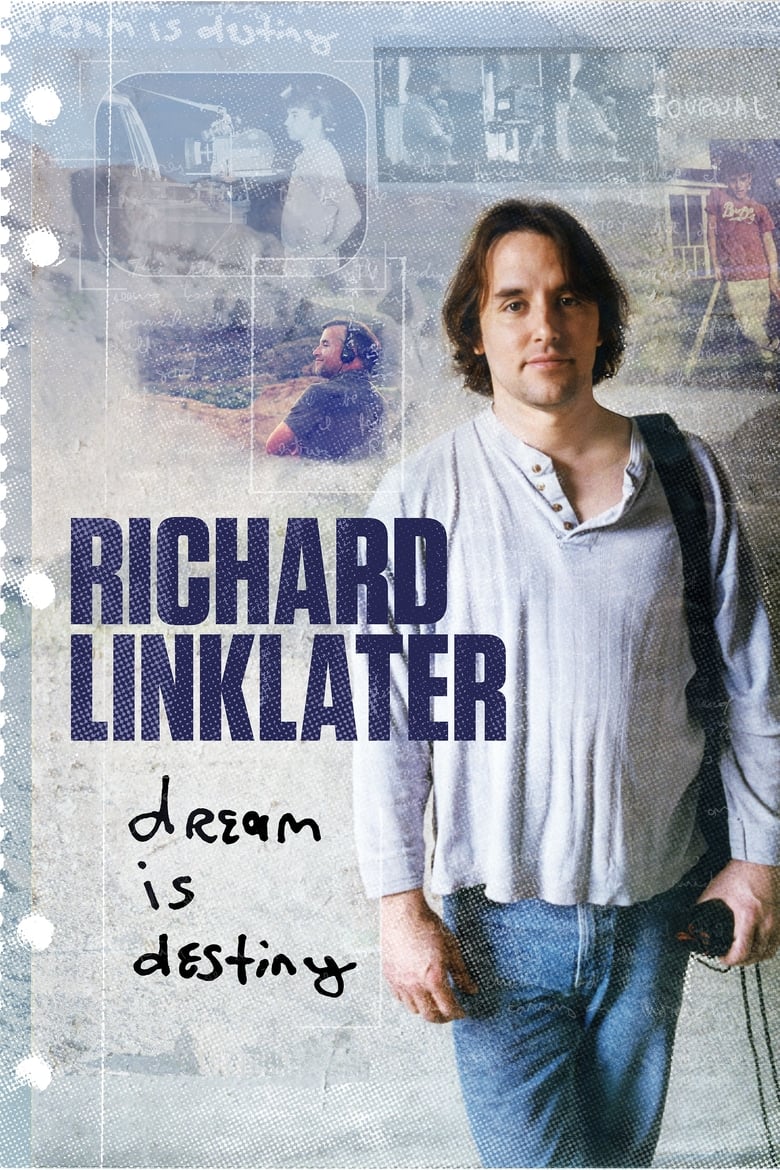
Highlighting one of the most innovative American directors, this film reveals the path traveled by the auteur from his small-town Texas roots to his warm reception on the awards circuit. Long before he directed Boyhood, Richard Linklater’s intense desire to create fueled his work outside the Hollywood system. Rather than leave Texas, he chose to collaborate with like-minded artists crafting modest, low-budget films in a DIY style. His ability to showcase realistic characters and tell honest stories was evident from his films, and others soon took notice of his raw talent.
Overall Score
Good
Category Breakdown
LGBTQ+ Representation
The film highlights Linklater's history of portraying diverse identities and non-heteronormative social dynamics. It acknowledges his role in normalizing various human experiences within the independent film landscape.
Gender Representation
The documentary examines character-driven dynamics that subvert rigid gender hierarchies. It emphasizes how identity evolves through dialogue rather than relying on static masculine or feminine tropes.
Racial & Ethnic Diversity
The film contextualizes Linklater's career through a community-based approach in Austin, Texas. This DIY ethos allowed for greater ethnic and social breadth than the traditional Hollywood studio system.
Religious & Cultural Diversity
The narrative celebrates the decentralized, anti-capitalist spirit of the Austin film scene. It rejects rigid Western storytelling conventions in favor of postmodern themes and fluid narrative structures.
Disability Representation
There is no explicit focus on disability or neurodivergence as a central theme. However, the film maintains an empathetic lens regarding the various conditions of human existence.
Strengths
Areas for Improvement
AI Analysis
This documentary serves as a retrospective on Richard Linklater’s career, framing his impact through his resistance to the Hollywood studio system. By focusing on his DIY roots in Austin, the film highlights a commitment to organic, community-based storytelling that naturally invites more diverse perspectives than mainstream productions. The film succeeds in portraying a progressive approach to identity, emphasizing fluidity in both gender and social dynamics. It positions Linklater as a disruptor of traditional cinematic norms, favoring realistic characters over archetypes. While the film lacks specific, concentrated depictions of disability or explicit racial statistics, its broader celebration of independent, decentralized culture provides a meaningful critique of centralized cultural power.
2014

2004
2022
2010

2020

2014

2009
2020

2015

2000
2006
2006
No reviews yet. Be the first to share your thoughts on this movie!
Use the rating form above to leave a star rating and optional review.