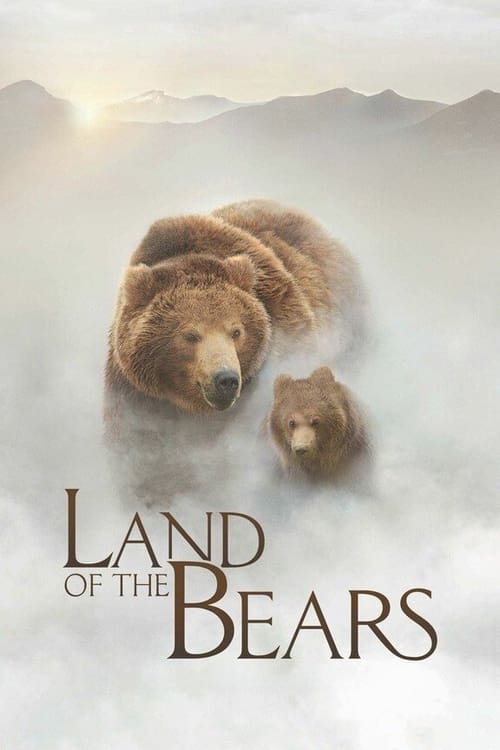
Land of the Bears
2014
No user ratings available yet
Representation score: 0.6 out of 10
No Poster Available
Representation Score
Minimal
2011
TV-GRuntime
52 minutes
Average Rating
No ratings yetNew Showbiz Analysis
Fortress of the Bears is a specialized natural history documentary that focuses on the biological cycles of Alaskan brown bears and salmon streams. The film prioritizes ecological observation over human-centric storytelling, making it less relevant to social constructs like race, gender, or sexual orientation. While the documentary does not engage with human social issues, it promotes themes of environmental stewardship and the importance of preserving natural sanctuaries.
Category Breakdown
Since the documentary focuses solely on animals and nature, there are no depictions of sexual orientation or gender identity.
The film concentrates on animal behavior and environmental processes, avoiding discussions of human gender roles or hierarchies.
The movie centers on the natural world and non-human species, with no human actors or commentary on racial or ethnic identities.
The film highlights environmentalism and the cycle of life, presenting the Tongass National Forest as a sanctuary for ecological preservation.
As the film does not feature any human subjects, there is no representation of physical or neurodivergent disabilities.
Present on Screen
Limited or Absent
Official Synopsis
Part of the massive Tongass National Forest, Admiralty Island in Southeast Alaska supports the largest concentration of bears anywhere in the world. Sustained by a wealth of salmon streams, isolated and protected by their environment, some 1,700 Alaskan brown bears are part of a unique circle of life that has played out here for centuries.
2014
2021
2004
2014
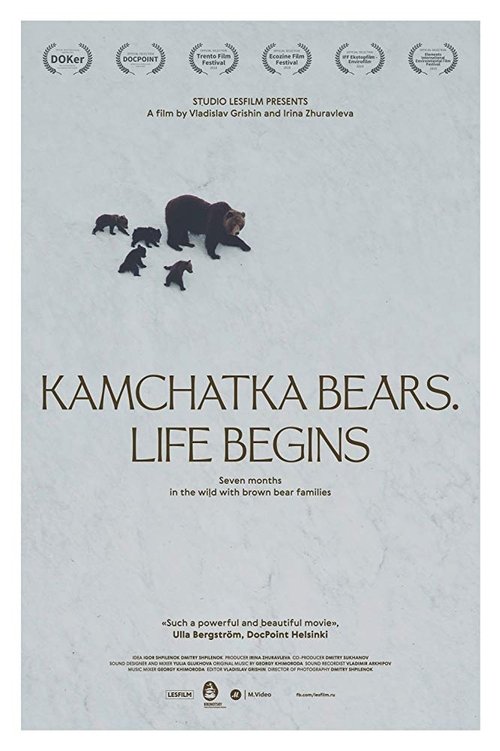
2018
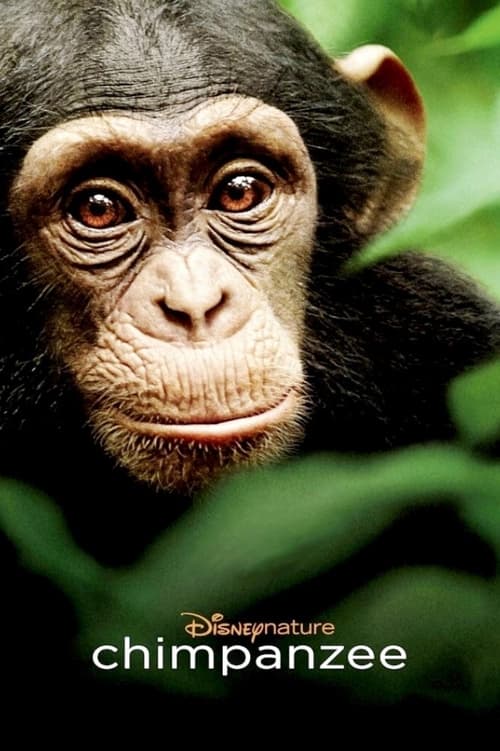
2012
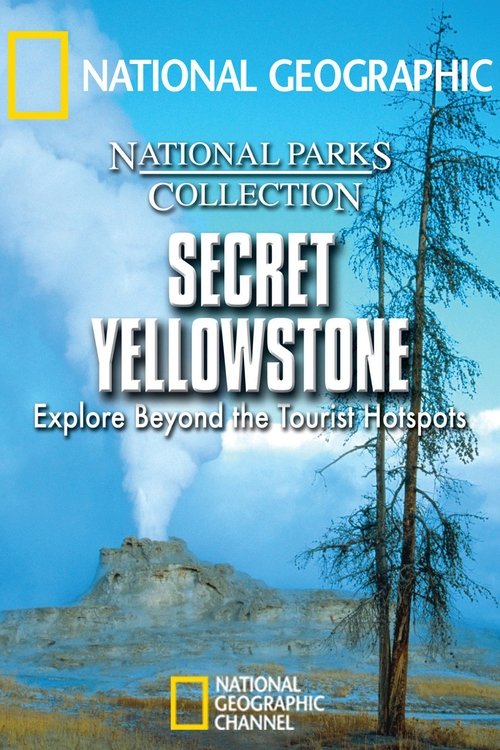
2007
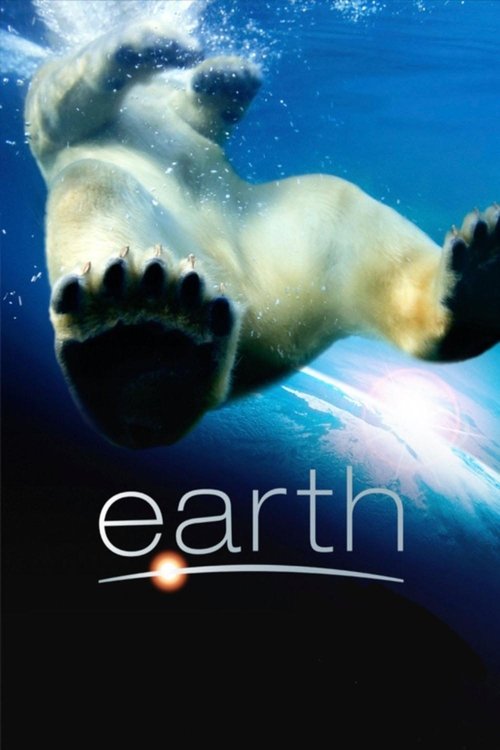
2007
No reviews yet. Be the first to share your thoughts on this movie!
Use the rating form above to leave a star rating and optional review.