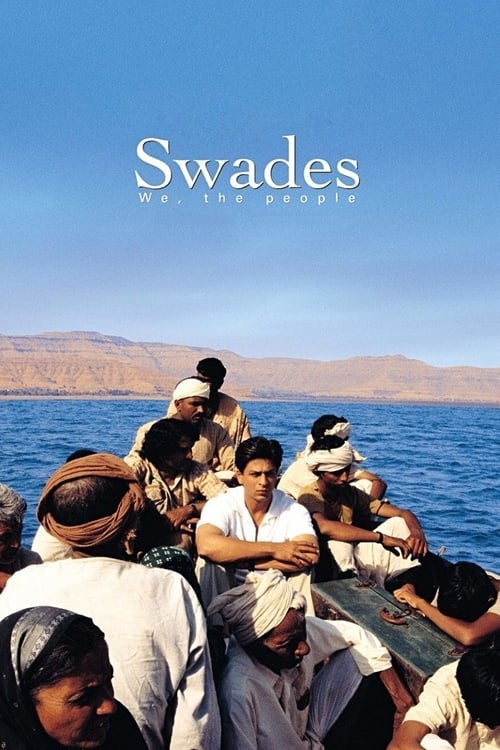
Swades
2004
No user ratings available yet
Representation score: 4.4 out of 10
Representation Score
Fair
1993
PG-13Director
M. Night Shyamalan
Runtime
101 minutes
Average Rating
No ratings yetNew Showbiz Analysis
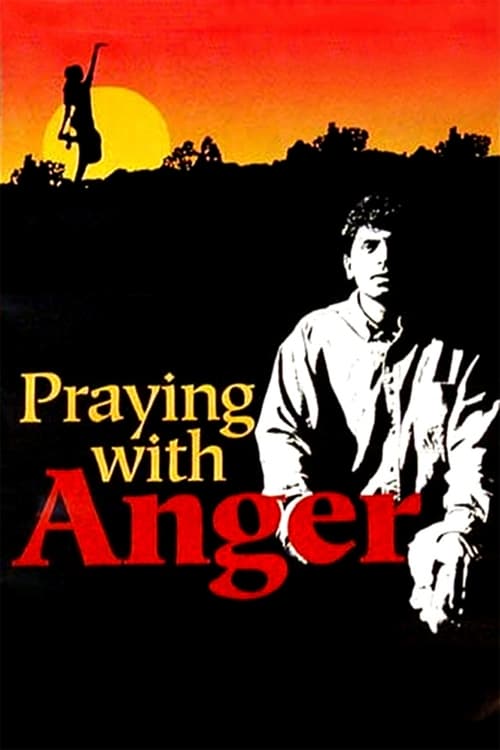
Praying with Anger is a compelling exploration of the immigrant experience and the psychological toll of cultural erasure. It succeeds by centering a non-Western perspective, shifting the narrative from an Americanized context to India to examine post-colonial identity. While the film deeply engages with ethnic heritage and cultural conflict, it lacks representation in other key areas, such as LGBTQ+ identities or disabilities. The film's strength lies in its ability to challenge the 'American Dream' cliché, emphasizing the tension between personal identity and systemic familial expectations.
Category Breakdown
The film does not include explicit LGBTQ+ characters or narratives. Instead, it focuses on ethnic identity and family connections.
The story centers on a teenager's emotional journey and self-discovery. However, it follows a typical coming-of-age storyline without highlighting female empowerment.
The film stands out by featuring an East Indian protagonist and delving into the South Asian diaspora. It shifts the focus away from a Western-centric viewpoint.
The narrative criticizes Western assimilation by portraying the protagonist's Americanized state as a form of alienation. It examines the tension between Western upbringing and Eastern heritage.
There are no characters with physical or neurodivergent disabilities featured in the film.
Present on Screen
Limited or Absent
Official Synopsis
An alienated, Americanized teenager of East Indian heritage is sent back to India where he discovers not only his roots but a lot about himself.
2004

1991

2009

2017

2014

1998
1991

2010
No reviews yet. Be the first to share your thoughts on this movie!
Use the rating form above to leave a star rating and optional review.