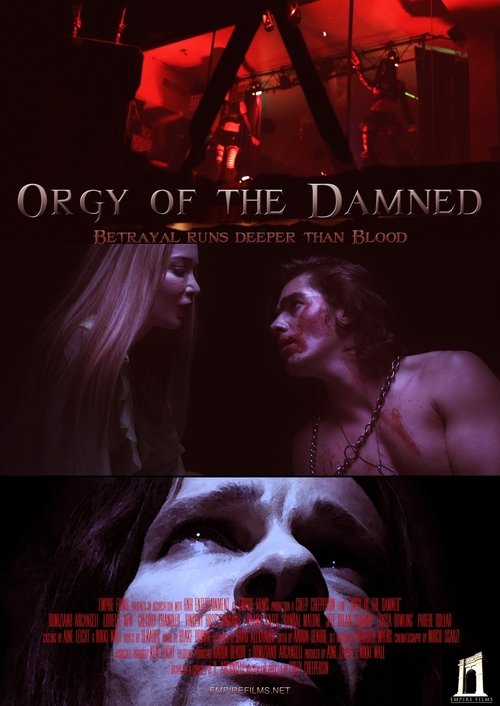
Orgy of the Damned
2010
No user ratings available yet
Representation score: 3.0 out of 10
Representation Score
Limited
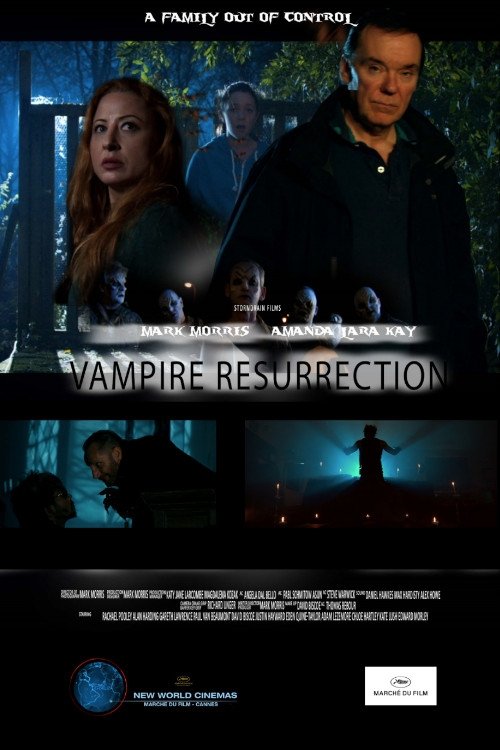
2016
TV-PGDirector
Mark Morris
Runtime
102 minutes
Average Rating
No ratings yetNew Showbiz Analysis
Vampire Resurrection operates within the safe confines of traditional horror clichés. While it avoids the 'damsel in distress' cliché by giving Anne a combat-oriented backstory, the film ultimately retreats into a standard domestic framework. The lack of diverse casting or identities makes the film feel conventional. It prioritizes the preservation of a nuclear family unit over any meaningful exploration of different cultural or social perspectives. Ultimately, the film is a genre piece that relies on established, non-subversive storytelling patterns rather than pushing for narrative or social diversity.
Category Breakdown
The film lacks explicit LGBTQ+ characters or identities that go beyond straight relationships. The plot centers on a traditional nuclear family, offering no evidence of queer representation.
Anne serves as a strong female protagonist with a history of combat involvement. However, her character arc eventually settles into conventional roles of marriage and motherhood.
There is no evidence of a diverse or non-Anglo-Saxon cast. The narrative focuses on individual vengeance without indicating racial blending or ethnic diversity.
The story follows a traditional horror framework focused on protecting the domestic sphere. It lacks systemic critique or narratives that challenge Western or individualistic storytelling.
No characters are identified as having physical, neurodivergent, or mental health conditions. There is no visible or invisible disability representation present.
Present on Screen
Limited or Absent
Official Synopsis
Ten year old Anne adopted by a Vampire Slayer (Wraith) kills a ruthless Vampire. 25 years later and now married with two teenage kids. The Vampire comes back to exact vengeance on the family by picking them off one at a time.
2010

1970

2017

1972
2018

1985

2024
2005
No reviews yet. Be the first to share your thoughts on this movie!
Use the rating form above to leave a star rating and optional review.