
MatchMaker Mysteries: The Art of the Kill
2021
No user ratings available yet
Diversity score: 4.3 out of 10
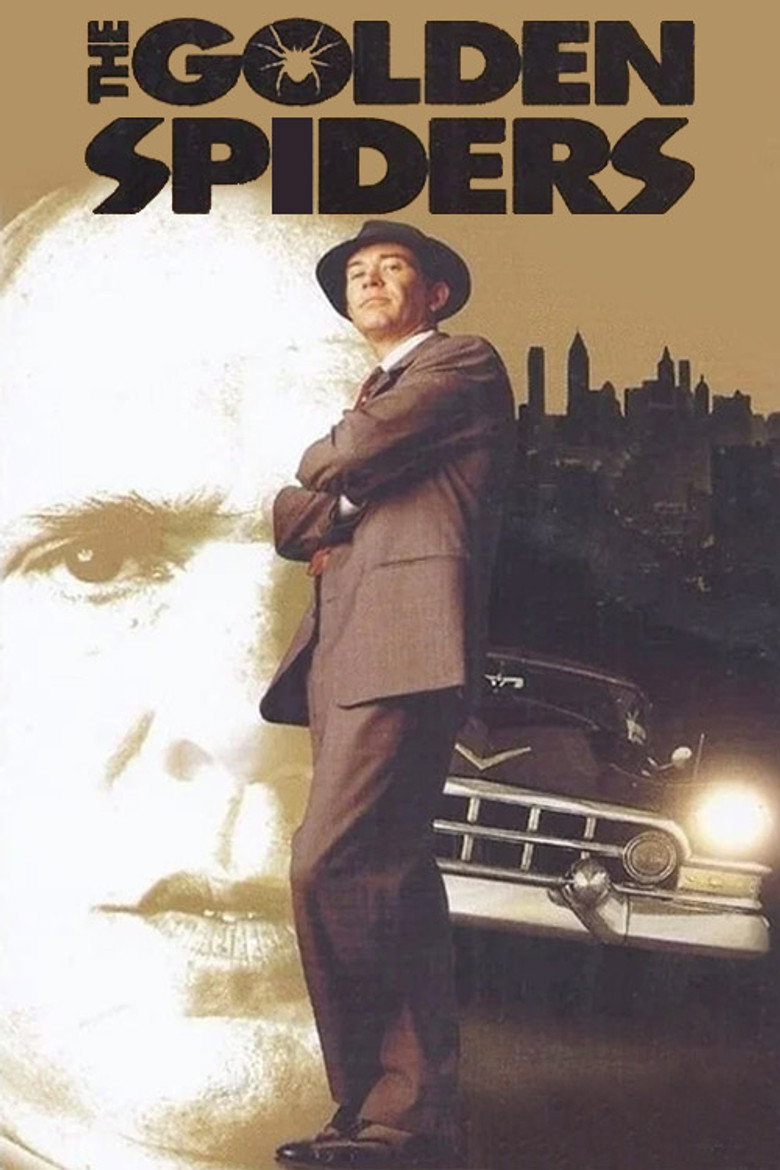
2000
TV-PGDirector
Bill Duke
Runtime
94 minutes
Average Rating
No ratings yetSynopsis
Interrupted at dinner by a street kid with a strange story, Nero Wolfe and Archie Goodwin find themselves drawn into a strange case when their young informant is found murdered. The victim's mother soon appears with his life savings totally $4.30, Wolfe's fee for taking the case! Archie's fancy legwork brings Wolfe to a mysterious woman with golden spider earrings. And when everyone else investigating the matter hits a dead end, only the inimitable Wolfe can get to the bottom of the crime.
Overall Score
Fair
Category Breakdown
LGBTQ+ Representation
The film follows a traditional procedural framework. There is no visible presence of non-cisnormative identities or narratives that critique heteronormativity.
Gender Representation
Characters largely adhere to classic archetypes, such as the distressed witness or the femme fatale. The film maintains a traditional gendered hierarchy between the mastermind and his assistant.
Racial & Ethnic Diversity
The production disrupts genre expectations by casting a Black director and reimagining a historically white literary icon. This approach creates a more inclusive racial landscape within New York City.
Religious & Cultural Diversity
The narrative operates within standard detective tropes, focusing on binary morality. While it touches on socioeconomic disparities, it does not overtly critique Western institutions or capitalism.
Disability Representation
Nero Wolfe's physical idiosyncrasies function as character quirks rather than an exploration of disability. No characters with disabilities drive the narrative through a lens of empowerment.
Strengths
Areas for Improvement
AI Analysis
The film stands out for its bold reimagining of a canonical literary figure, using race-bent casting to diversify a traditionally Eurocentric detective genre. This disruption is bolstered by Bill Duke's direction, which brings a fresh perspective to the procedural format. However, the film remains tethered to mid-century tropes. It lacks significant engagement with LGBTQ+ identities and fails to subvert traditional gender hierarchies, often relying on established archetypes like the femme fatale to move the plot forward. Ultimately, while the film succeeds in racial representation, it remains a conventional procedural regarding social and cultural critique. It prioritizes genre-standard morality over a deeper exploration of disability or systemic institutional critique.
2021

2015
2013

2015
1993
1992

2018
1972

2015

1992
2018
No reviews yet. Be the first to share your thoughts on this movie!
Use the rating form above to leave a star rating and optional review.