
Plain Dirty
2003
No user ratings available yet
Representation score: 4.1 out of 10
Representation Score
Limited
1991
Not RatedDirector
Santhana Bharathi
Runtime
167 minutes
Average Rating
No ratings yetNew Showbiz Analysis
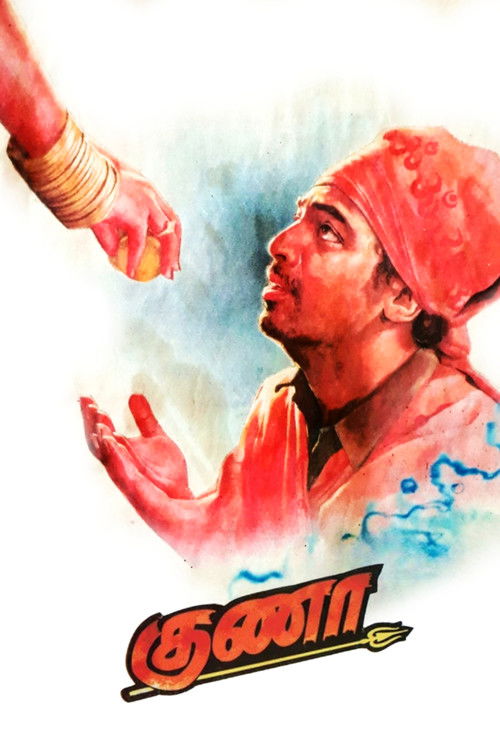
Gunaa is a psychological drama centered around the neurodivergent experiences of its protagonist. By focusing on mental instability, the film delves into a complex narrative often overlooked in mainstream cinema. However, the film adheres to conventional storytelling clichés. The romantic obsession drives the plot, reinforcing unequal gender dynamics and limiting the female lead's autonomy. The narrative focuses on individual isolation rather than broader social critiques. Overall, the film excels in its nuanced portrayal of disability but falls short in moving beyond traditional gender and straight-centered storytelling.
Category Breakdown
The film focuses solely on heterosexual romance and does not depict any LGBTQ+ identities or critique traditional romantic roles.
The story emphasizes an imbalance of power where the female lead's role is diminished by the male protagonist's unstable behavior. The narrative prioritizes the male perspective, treating the woman primarily as an object of his obsession.
The cast is ethnically consistent, offering an authentic representation of Tamil culture. It avoids Western whitewashing by staying true to its South Indian setting.
The film explores individual mental health issues rather than broader societal critiques. It focuses on personal fatalism without addressing larger capitalist or institutional structures.
The story provides a detailed look at intellectual disabilities and mental instability. While it avoids simplistic caricatures, it sometimes risks glorifying mental illness through the 'mad lover' archetype.
Present on Screen
Limited or Absent
Official Synopsis
Gunaa, a mentally-disturbed man, imagines a fictitious character of a woman to be his future wife. One day, he sees a girl in a temple and assumes that she is his imaginary love and kidnaps her.
2003

2016
2004
2015
1999

1998
2017
1991
No reviews yet. Be the first to share your thoughts on this movie!
Use the rating form above to leave a star rating and optional review.