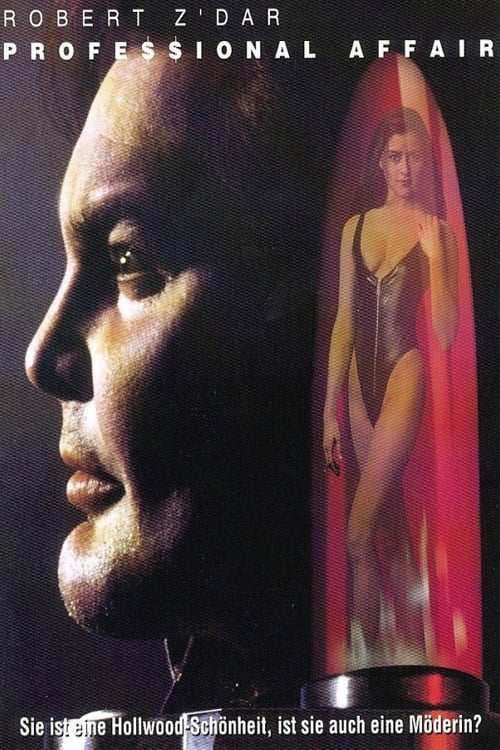
Professional Affair
1995
No user ratings available yet
Representation score: 2.7 out of 10
Representation Score
Fair
1996
RDirector
Michael Schroeder
Runtime
96 minutes
Average Rating
No ratings yetNew Showbiz Analysis
The film succeeds in challenging traditional hero clichés by focusing on a protagonist driven by personal obsession rather than duty. It replaces institutional stability with a network of transactionally complex, morally ambiguous relationships. While the film lacks overt identity-based representation, it offers depth through its female characters. These characters are portrayed as active strategists rather than passive victims or secondary supports. Ultimately, the work's strength lies in its gritty deconstruction of authority. It presents a world where the law and intelligence agencies are part of systemic dysfunction.
Category Breakdown
The film centers on a traditional heterosexual relationship between Paul and Jacqueline. There are no explicit LGBTQ+ characters or non-straight identities.
Female characters play significant roles in driving the plot. Jacqueline actively participates in criminal activities, while Detective Montrachet is a strategic planner capable of complex maneuvers.
The protagonist is described as having a darker complexion, indicating a departure from homogeneous casting. The New Orleans setting suggests a diverse, multicultural underworld.
The narrative rejects moral absolutes by depicting law enforcement and intelligence agencies as corrupt. It highlights situational ethics and systemic skepticism over institutional loyalty.
There is no evidence of physical or neurodivergent disabilities being depicted in this work.
Present on Screen
Limited or Absent
Official Synopsis
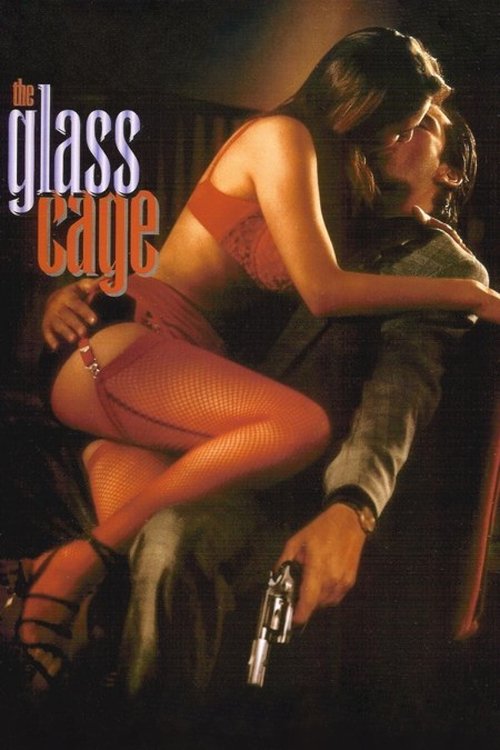
Swarthy Paul Yeager arrives in New Orleans, and promptly gets a job bartending at La Cage du Verre, a show bar where his former girlfriend Jacqueline is a dancer and the moll of its sadistic owner, Marko. He and Jacqueline smuggle diamonds and drugs, with the local police detective in on the take. Even though Paul is ex-CIA, he's not undercover, he just wants to win Jacqueline back. His CIA pals from black ops are on hand hoping to arrest Marko's boss. Detective Montrachet finds out Paul's past and sets up a double cross. Her aims are less clear: to get back with Paul, to stay with Marko, or to run her own scam and scamper away?
1995

1973
1993

1983

1997

1989
1993

2011
No reviews yet. Be the first to share your thoughts on this movie!
Use the rating form above to leave a star rating and optional review.