
Even Mice Belong in Heaven
2021
No user ratings available yet
Representation score: 5.0 out of 10
Representation Score
Good
2012
PGDirector
Stéphane Aubier, Vincent Patar, Benjamin Renner
Runtime
80 minutes
Average Rating
No ratings yetNew Showbiz Analysis
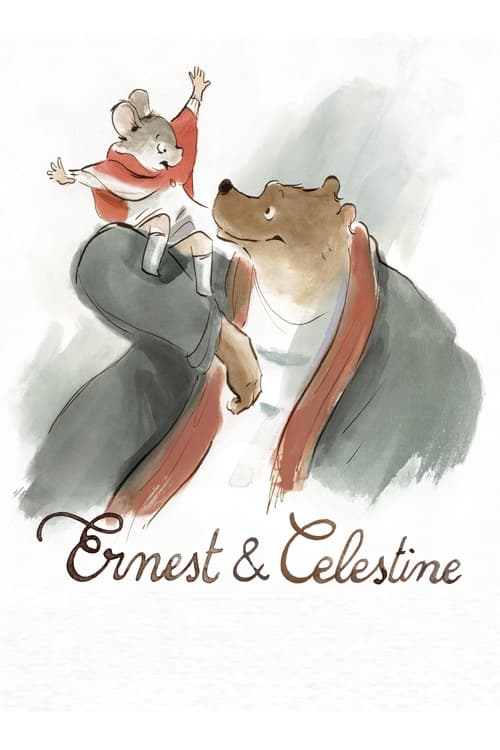
Ernest & Célestine employs animal characters to explore serious themes of systemic segregation and social hierarchy. By depicting mice and bears as separate, segregated groups, the film offers a powerful critique of prejudice and institutional 'othering'. The protagonists challenge established social orders. Célestine's choice to pursue art over a prescribed career and Ernest's non-traditional role as a musician both disrupt traditional gender and social hierarchies. Although the film does not include explicit LGBTQ+ identity markers or central disability representation, it emphasizes unconventional companionship and the dismantling of power structures, creating a progressive narrative.
Category Breakdown
The film doesn't explicitly show LGBTQ+ identities or same-sex relationships. However, it explores a unique bond that goes beyond typical biological and social expectations.
Célestine rejects traditional domestic roles, focusing instead on her intellectual and artistic pursuits. Ernest also breaks away from traditional masculinity by choosing a musician's path rather than a conventional provider role.
The film uses species-based segregation as a metaphor for racial and ethnic divisions. The divide between mice and bears highlights systemic prejudice and the marginalization of certain groups.
The story challenges strict social institutions and legal frameworks by emphasizing personal empathy. The protagonists' lifestyles are portrayed as a rebellion against structured, utility-focused societal norms.
There are no prominent depictions of physical or neurodivergent disabilities that play central roles in the plot or define characters.
Present on Screen
Limited or Absent
Official Synopsis
Celestine is a little mouse trying to avoid a dental career while Ernest is a big bear craving an artistic outlet. When Celestine meets Ernest, they overcome their natural enmity by forging a life of crime together.
2021
2009

2013
2011

2016
2006
2010

2014
No reviews yet. Be the first to share your thoughts on this movie!
Use the rating form above to leave a star rating and optional review.