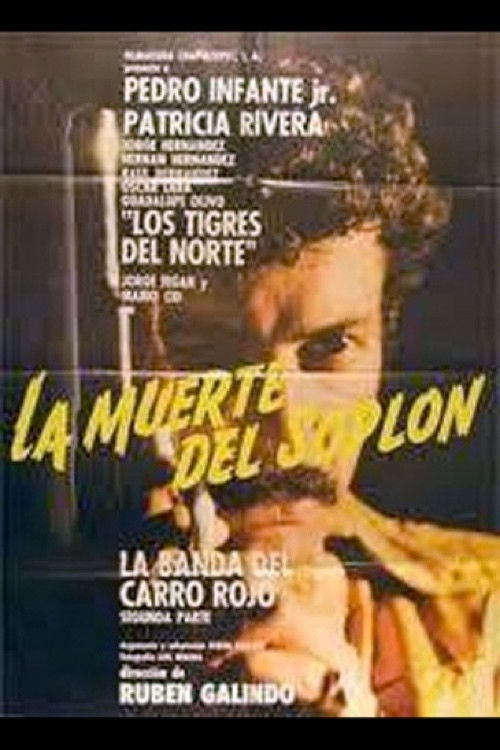
La muerte del soplón
1978
No user ratings available yet
Representation score: 1.9 out of 10
Representation Score
Minimal
2002
Director
Ricardo Velásquez
Runtime
118 minutes
Average Rating
No ratings yetNew Showbiz Analysis
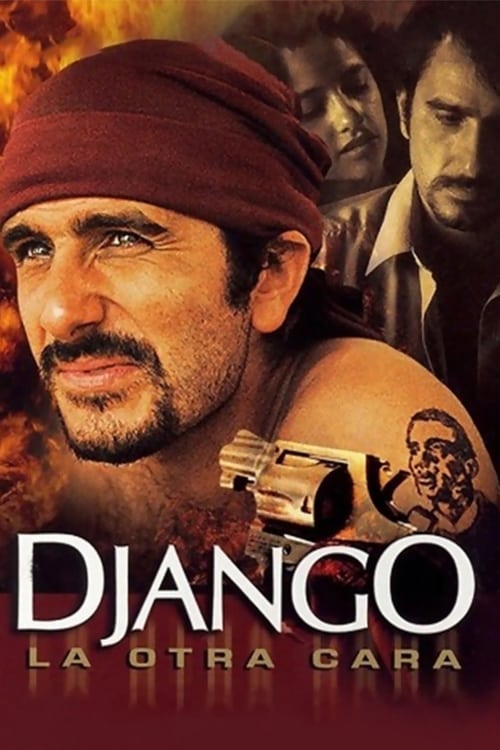
Django: La otra cara is a traditional biographical crime drama centered around Orlando González. The narrative emphasizes masculine themes such as ambition, desire, and criminal success. While the Peruvian setting offers a unique cultural backdrop, the storyline seems to follow conventional crime-drama formulas rather than challenging established norms. The film lacks evidence of diverse identities or the subversion of traditional social structures.
Category Breakdown
The film does not include any non-cisgender or queer identities. It focuses on heterosexual relationships and desires.
Female characters play a key role in advancing the male protagonist's ambitions. They are used mainly to support the male lead's journey.
The film is set in Lima, Peru, and features a predominantly non-Anglo-Saxon cast. However, it is unclear if the story challenges or adheres to traditional crime narratives.
The story explores the criminal world and social order through a biographical lens. It focuses more on individual experiences than on broader societal critiques.
There is no information available regarding the inclusion of characters with physical or neurodivergent disabilities.
Present on Screen
Limited or Absent
Official Synopsis
Based on true events, this crime drama chronicles the wanderings of the thief Orlando González -alias Django- during his brief years of glory. After spending a time in the province, Django returns to Lima with his family, trying to escape the criminal circuit. But the appearance of the woman of a dead partner will unleash Django's ambition, and his libido.
1978

2018
2014
2010
2011
2017
2014
1971
No reviews yet. Be the first to share your thoughts on this movie!
Use the rating form above to leave a star rating and optional review.