Bestiář
2007
No user ratings available yet
Representation score: 5.2 out of 10
Representation Score
Good
1996
Director
David Ondříček
Runtime
82 minutes
Average Rating
No ratings yetNew Showbiz Analysis
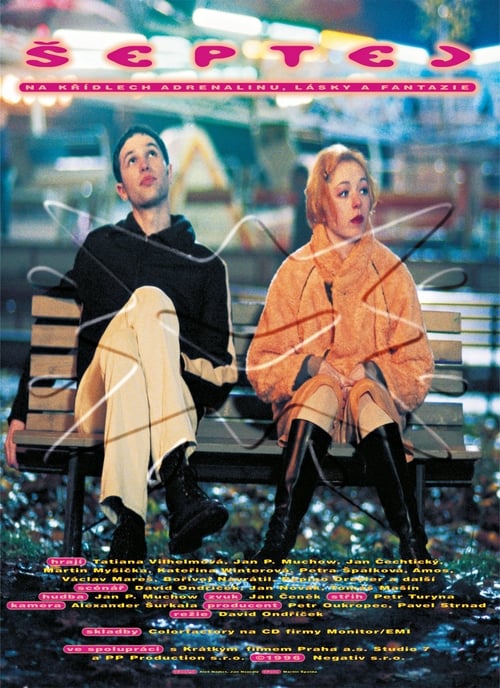
Whisper is a character study of individual ability to act set against the backdrop of a shifting post-communist Czech society. It finds its strength in subverting traditional social structures, particularly through its female protagonist's rejection of disciplined, patriarchal upbringing in favor of urban chaos. However, the film is demographically narrow. It lacks racial and disability representation, reflecting the localized, ethnically consistent reality of 1990s Prague without attempting to broaden its scope. Ultimately, the film prioritizes ideological progressivism over demographic breadth. It champions postmodern values, prioritizing subjective experience and anti-authoritarianism over established social or religious hierarchies.
Category Breakdown
The film explores the complexity of young people's attractions but does not explicitly address non-traditional gender identities or challenge the assumption that everyone is straight or cisgender.
Anna exercises significant control over her life by leaving her military education for urban independence. The film challenges traditional gender roles by portraying masculinity through existential aimlessness rather than leadership.
Set in 1990s Prague, the film reflects a homogeneous demographic. There is no evidence of intentional racial diversity or non-white casting to challenge historical norms.
The narrative prioritizes secularism and moral relativism over religious frameworks. It portrays anti-social behavior and aimless wandering as a form of existential rebellion against traditional institutions.
Characters appear to function within a standard neurotypical and able-bodied framework. There is no discernible focus on neurodivergence or physical disabilities as central narrative elements.
Present on Screen
Limited or Absent
Official Synopsis
Anna, a 16 year-old girl from the sticks, trades her military education for life in the big city Running away to Prague opens a whole new world where she drinks her first cappuccino and meets the kind of people she has only seen in movies.
2007
1984
1990
1965

2003
2004
1998
2008
No reviews yet. Be the first to share your thoughts on this movie!
Use the rating form above to leave a star rating and optional review.