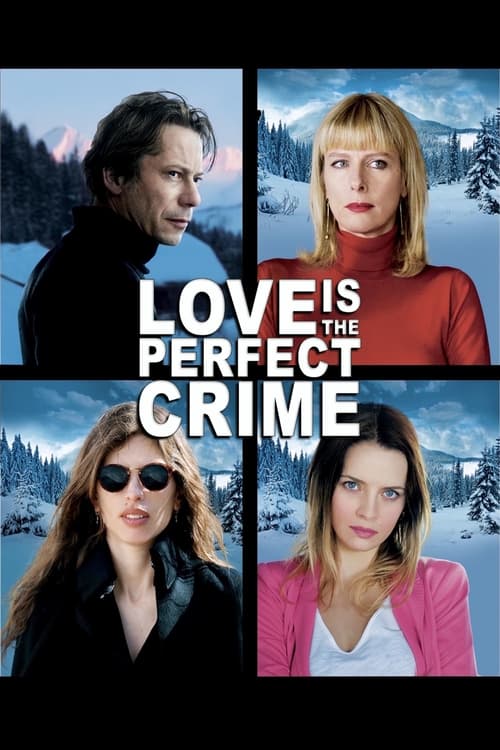
Love Is the Perfect Crime
2013
No user ratings available yet
Diversity score: 4.9 out of 10
2011
Director
Ben Sombogaart
Runtime
93 minutes
Average Rating
No ratings yetSynopsis
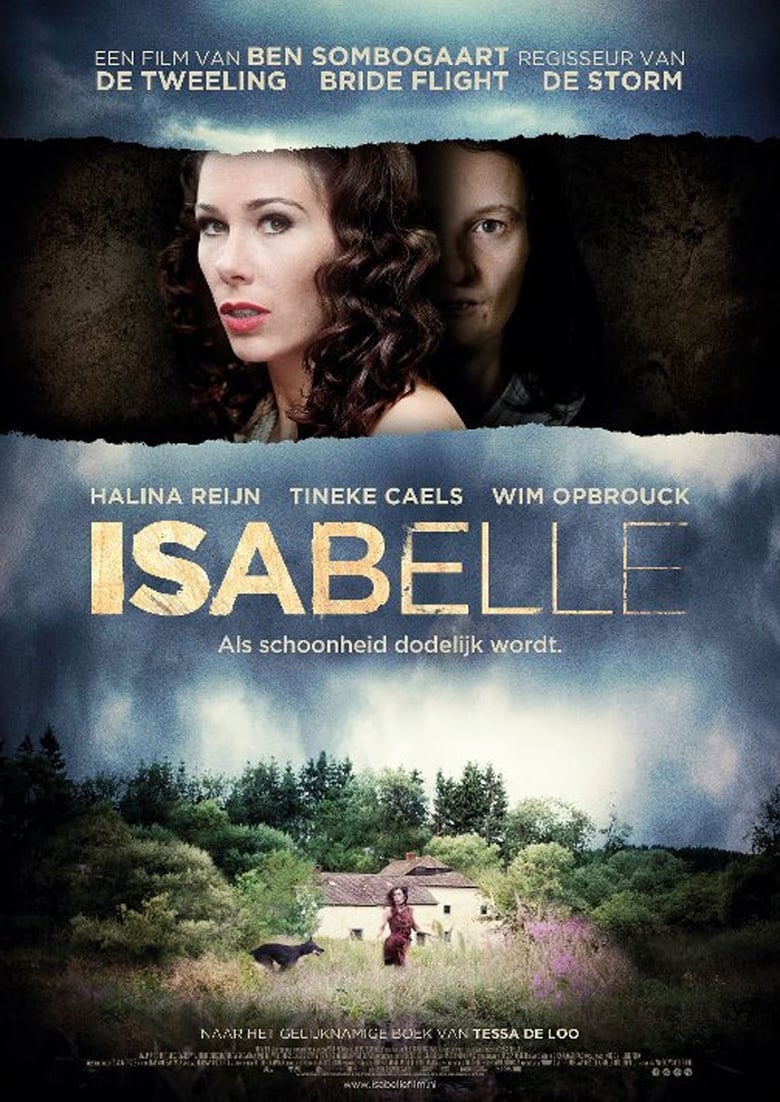
Isabelle is a famous and beloved actress from the Netherlands, who disappears when on Holiday in Belgium. She has been kidnapped by bartender Jeanne Bitor, an artist with a disfigured face. Jeanne is very bitter about her 'ugly' appearance, and she is obsessed with the process of dying and deterioration of animals and humans. Therefore, she abducts Isabelle and starves her to death, while painting her in different phases of the process.
Overall Score
Limited
Category Breakdown
LGBTQ+ Representation
The film lacks LGBTQ+ characters or non-heteronormative identities. Romantic elements are confined to traditional heterosexual pairings without any critique of heteronormativity.
Gender Representation
Isabelle navigates the tension between personal autonomy and patriarchal social obligations. The narrative reflects historical gendered expectations rather than actively subverting them.
Racial & Ethnic Diversity
The cast is predominantly white, adhering to the historical visual vernacular of 14th-century Europe. There is no intentional racial blending or color-blind casting.
Religious & Cultural Diversity
Religious and aristocratic institutions serve as the primary social stabilizers. The film treats these structures as an inevitable backdrop rather than framing them as inherently corrupt.
Disability Representation
Jeanne Bitor’s physical disfigurement drives much of the psychological tension. However, the film risks using appearance as a catalyst for villainy rather than exploring lived experience.
Strengths
Areas for Improvement
AI Analysis
Isabelle is a period-focused character study that prioritizes historical authenticity over modern intersectional representation. The film maintains the social and demographic hierarchies of its medieval setting without attempting to deconstruct them. The narrative focuses on individual psychological tension and romantic conflict. While it explores themes of agency and physical disfigurement, these elements are often tied to the plot's darker, obsessive impulses rather than nuanced social commentary.
No reviews yet. Be the first to share your thoughts on this movie!
Use the rating form above to leave a star rating and optional review.