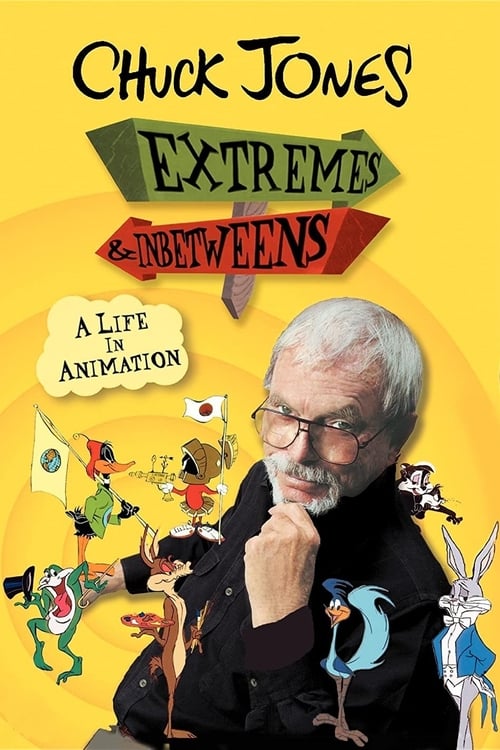
Chuck Jones: Extremes and In-Betweens - A Life in Animation
2000
No user ratings available yet
Representation score: 2.8 out of 10
Representation Score
Fair
1990
Director
Carl H. Lindahl
Runtime
60 minutes
Average Rating
No ratings yetNew Showbiz Analysis
This documentary serves as a historical retrospective of the Looney Tunes era. It functions more as a preservation of animation history than a modern effort toward diverse representation. The score is lowered by the inclusion of archival shorts containing outdated racial clichés and stereotypes. These elements are inherent to the mid-20th-century media being celebrated. Conversely, the film gains points for highlighting the 'trickster' archetype. This characterization provides a blueprint for disrupting social hierarchies and challenging traditional norms through comedic subversion.
Category Breakdown
While there are no explicit LGBTQ+ characters, Bugs Bunny's use of gender-bending disguises and his role as a social trickster disrupts traditional masculine dominance.
The documentary examines the evolution of female characters within the franchise. Although many clips reflect traditional mid-century gender roles, the slapstick dynamics provide a fluidity in gender performance.
The archival footage includes historical racial caricatures and ethnic stereotypes common to the Golden Age of animation. The film serves as a historical record of these biases rather than a tool for diversification.
The film celebrates anarchic and anti-authoritarian themes. It highlights how Bugs Bunny deconstructs social norms and institutional authority, framing trickery as a form of comedic liberation from rigid power structures.
There are no specific depictions of neurodivergence or physical disabilities. The focus remains on character archetypes and the history of animation rather than disability-centric narratives.
Present on Screen
Limited or Absent
Official Synopsis
This salute to Bugs Bunny reveals the loony, creative atmosphere in which Bugs was born and developed and includes ten original, full-length cartoons that represent the stages of the wascally wabbit's evolution.
2000

2009
1990
1976
1992
1986
1988
1991
No reviews yet. Be the first to share your thoughts on this movie!
Use the rating form above to leave a star rating and optional review.