
Looney Tunes 50th Anniversary
1986
No user ratings available yet
Representation score: 4.7 out of 10
Representation Score
Fair
1976
NRDirector
Larry Jackson
Runtime
90 minutes
Average Rating
No ratings yetNew Showbiz Analysis
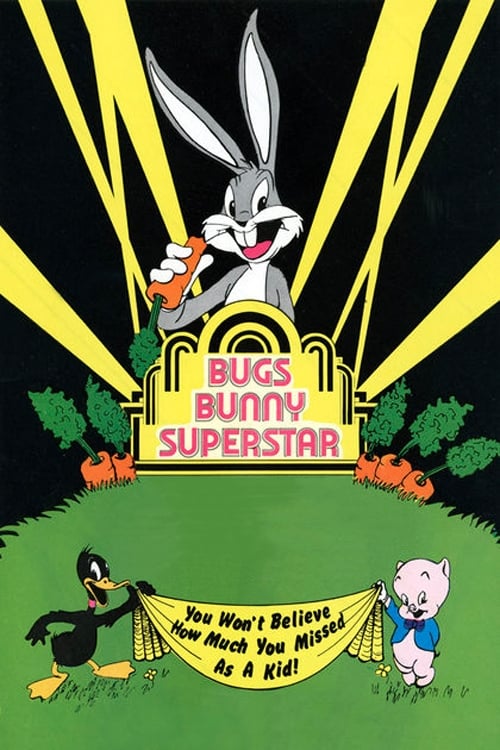
Bugs Bunny Superstar serves as a historical archive of the 'Termite Terrace' era rather than a contemporary work designed for social commentary. It preserves the creative legacy of figures like Robert Clampett and Tex Avery, focusing on the technical evolution of Warner Bros. animation. Since the film is a compilation of mid-century shorts, it inherently reflects the cultural norms and biases of the 1930s and 1940s. The content lacks intentionality regarding diverse representation or challenging traditional social hierarchies. Ultimately, the documentary functions as a celebratory window into the Golden Age of animation. It prioritizes historical preservation over modern standards of diversity, resulting in a score that mirrors the era's limited social awareness.
Category Breakdown
The film acts as a historical look at mid-century animation. Some cartoons have camp aesthetics or gender-bending elements, but there are no explicit LGBTQ+ identities or stories that question the assumption that everyone is straight or cisgender.
The featured animations follow 1930s and 40s stereotypes. Female characters sometimes show a significant role through their wit, but they often fit within narrow, traditional gender roles and established hierarchies.
The documentary focuses on the history of a mostly white animation unit. The cartoons lack nuanced racial depth and occasionally use caricatures typical of mid-century media.
The film celebrates the history of American studios and the Warner Brothers legacy. It prioritizes preserving Western media and does not engage in critiques of religion or Western institutions.
Disability is not a central theme in this collection. Physical impairments are occasionally used as comedic devices, which fails to meet modern standards of giving real power to characters.
Present on Screen
Limited or Absent
Official Synopsis
Animator Robert Clampett presents a history of "Termite Terrace," the little shack on the Warner Brothers studio lot which in the 1930's and 1940's housed the animation unit which gave birth to Porky Pig, Daffy Duck and Bugs Bunny. Includes color and black-and-white home-movie-type footage shot at the time showing such animation greats as Clampett, Tex Avery and Chuck Jones. Also featured are nine complete Warner cartoons.
1986

1979

1990

2020
2000

1991
1988
1990
No reviews yet. Be the first to share your thoughts on this movie!
Use the rating form above to leave a star rating and optional review.