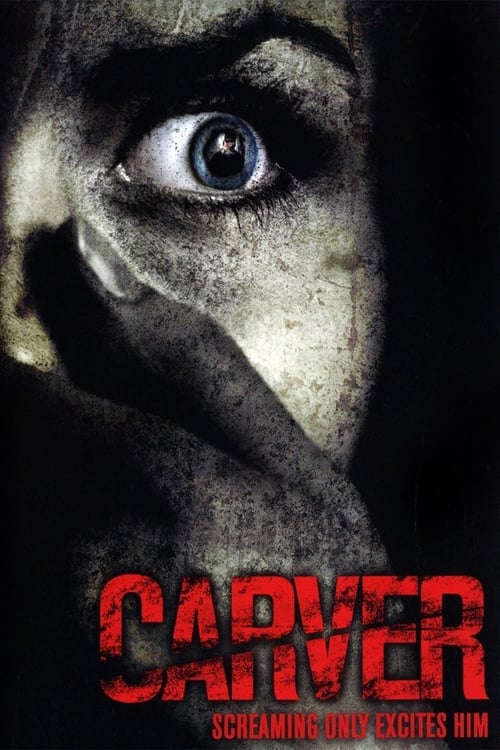
Carver
2008
No user ratings available yet
Representation score: 1.4 out of 10

Representation Score
Good
2025
18+Director
Oscar Mendoza
Runtime
97 minutes
Average Rating
No ratings yetNew Showbiz Analysis
Ducky steers clear of sanitized horror clichés by embedding its supernatural elements in the gritty, specific socio-cultural landscape of Oak Cliff. This localized approach indicates a commitment to portraying complex urban realities rather than generic settings. The protagonist's unique sensory perception offers a platform for a nuanced exploration of non-standard ability to act. This could potentially elevate the film from a typical survival horror to a deeper examination of neurodivergent experiences. However, the film’s depth in representing various identities is currently limited by a lack of detailed information about secondary characters. While the setting and protagonist offer strong foundations, the broader representation of gender and identity remains largely unexplored.
Category Breakdown
The story emphasizes intense personal connections and survival. However, it does not explicitly confirm any LGBTQ+ characters or non-cisgender identities.
The plot revolves around a sixteen-year-old male protagonist navigating dangerous situations. While the gender roles among gangs and other characters are not clearly defined, the focus shifts away from typical adult hierarchies.
Setting the story in Oak Cliff highlights a deliberate choice to prioritize diverse, local environments over the usual sanitized settings in horror films.
The film examines systemic urban violence and questions traditional views of law and order. The protagonist's ability to see the dead introduces a spiritualist element that challenges conventional Western rational thinking.
Oscar’s ability to see the dead serves as a sensory-based difference from the norm. This could provide a basis for exploring neurodivergent ability to act if used as a key part of his character development.
Present on Screen
Limited or Absent
Official Synopsis
Based on a true story, the film follows Oscar, a sixteen-year-old from Oak Cliff who can see the dead. After a botched car theft, Oscar must rescue his friend Ducky from the bloodthirsty gangs that roam the streets and the roaming dead.
2008

2015
2007
2017
2021
2019
2007

2023
No reviews yet. Be the first to share your thoughts on this movie!
Use the rating form above to leave a star rating and optional review.