The Sandman and the Lost Sand of Dreams
2010
No user ratings available yet
Representation score: 4.0 out of 10
Representation Score
Limited
2004
Not RatedDirector
Piet De Rycker, Thilo Rothkirch
Runtime
75 minutes
Average Rating
No ratings yetNew Showbiz Analysis
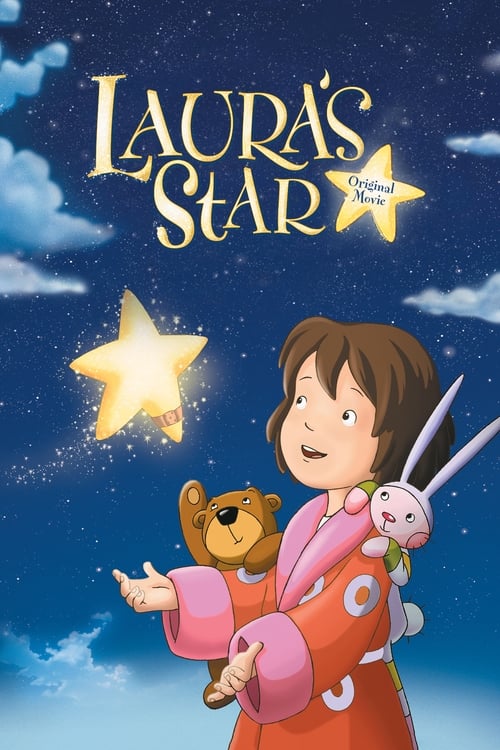
Laura's Star is a traditional animated fable that prioritizes emotional resonance and magical realism. The story is built upon conventional clichés of childhood innocence and nurturing. While the film provides a central role for a young female protagonist, it lacks engagement with diverse identities or the deconstruction of social hierarchies. The narrative remains focused on a stable, sentimental worldview. Ultimately, the film functions as a standard example of mid-2000s family media, prioritizing whimsical storytelling over social commentary.
Category Breakdown
The film follows a conventional structure centered on a child protagonist. There is no evidence of non-binary gender identities or same-sex relationships.
Laura serves as the central protagonist, playing a significant role in driving the story. However, her role focuses on nurturing and caretaking, aligning with traditional feminine roles.
The story appears to follow a homogeneous framework typical of early 2000s European animation. There is no indication of a diverse cast with different racial or ethnic backgrounds.
The narrative emphasizes kindness and the preservation of wonder. It reinforces traditional moral frameworks rather than challenging them through secular or anti-institutional themes.
No characters with physical, sensory, or neurodivergent disabilities are identified. The star's condition serves as a magical metaphor rather than a depiction of human disability.
Present on Screen
Limited or Absent
Official Synopsis
Laura sees a shooting star falling to earth and finds it in a park, down on the floor and with a broken point. The star is a living being, and Laura takes her home to reattach its point with a band-aid. The little star has special powers and can make people fly, or bring inanimate objects to life. But the more she stays on Earth, the weaker she becomes and her colors fade away and her powers start to fail. Laura must find a way to send the little star back into outer space.
2010
2011
2015
2016
2003
1996
2018

2015
No reviews yet. Be the first to share your thoughts on this movie!
Use the rating form above to leave a star rating and optional review.