
The Killer's
2012
No user ratings available yet
Representation score: 1.3 out of 10
Representation Score
Limited
2019
TV-MADirector
Renato De Maria
Runtime
111 minutes
Average Rating
No ratings yetNew Showbiz Analysis
The film offers a sophisticated look at the socioeconomic divide in 1960s Italy. By focusing on the friction between Southern migrants and the Northern industrial landscape, it provides a meaningful critique of systemic failures and social mobility. However, the narrative is heavily skewed toward a male-dominated criminal underworld. This focus limits the scope of representation, particularly regarding gender and LGBTQ+ identities, which are absent from the established story arc. Ultimately, the work succeeds as a study of internal migration and ethnic identity. It uses the protagonist's descent into crime to explore the alienation experienced by the Southern Italian diaspora.
Category Breakdown
The film focuses on a male-dominated criminal underworld and familial migration. There is no evidence of LGBTQ+ or non-assuming gender matches what was assigned at birth identities.
The story centers on a male-dominated environment involving a brotherhood of crime. It lacks visible evidence of women's ability to drive the story or the subversion of masculine leadership.
The narrative provides depth regarding internal European migration by centering a Calabrian family in Milan. It highlights the systemic exclusion of Southern migrants.
The film challenges traditional institutions by framing the legal system as corrupt. It portrays the family unit as a source of conflict rather than stability.
There is no information available regarding the depiction of physical or neurodivergent disabilities within the work.
Present on Screen
Limited or Absent
Official Synopsis
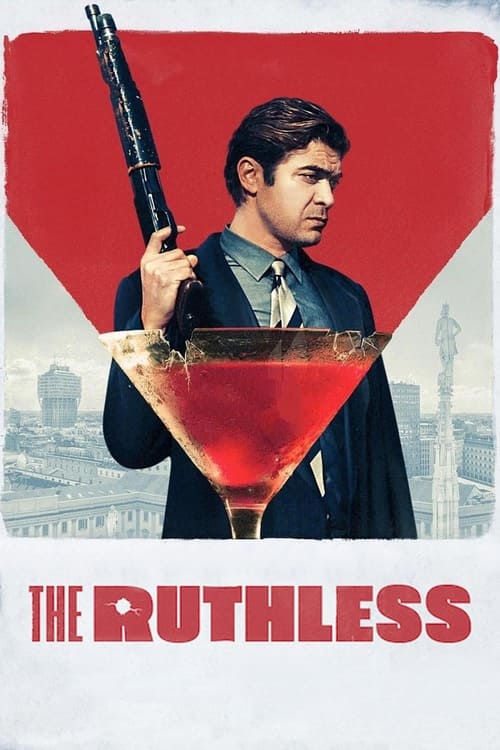
Milan, Italy, 1967. Santo Russo, a boy of Calabrian origin, arrives north with his parents and younger brother to find better living conditions. Due to an absurd misunderstanding and his father's contempt, Santo ends up in prison, where he gets a “true education.” In 1978, he and his friends Slim and Mario embark on a 15-year criminal career, a successful and ruthless spiral of robberies, kidnappings, murders and heroin smuggling.
2012
2010
1997
2014
2011
2010
2005

2015
No reviews yet. Be the first to share your thoughts on this movie!
Use the rating form above to leave a star rating and optional review.