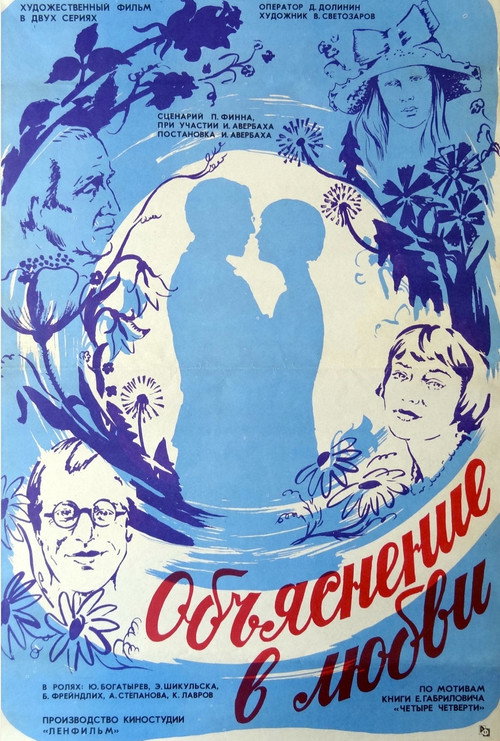
A Declaration of Love
1978
No user ratings available yet
Representation score: 7.3 out of 10
Representation Score
Excellent
2006
Director
Vladimir Fokin
Average Rating
No ratings yetNew Showbiz Analysis
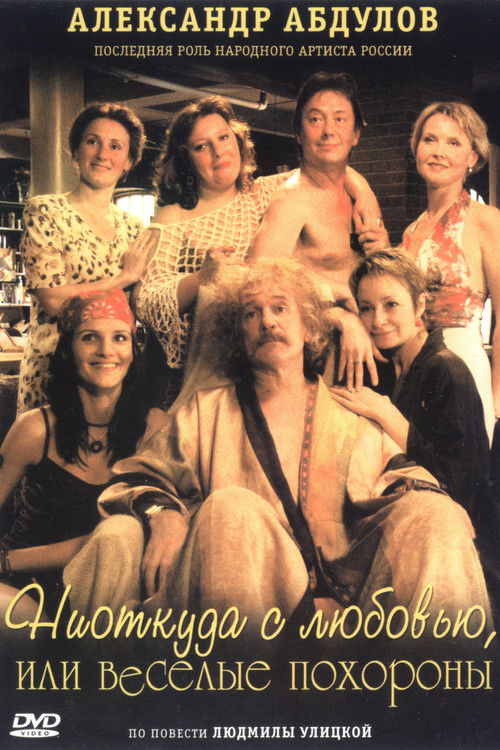
The Funeral Party offers a nuanced character study that prioritizes the subjective experiences of a displaced Russian community. It successfully disrupts Western domestic norms by centering an immigrant diaspora and exploring the complexities of cultural preservation. While the film excels in cultural and gendered representation, it lacks visibility regarding LGBTQ+ identities and neurodivergence. The portrayal of illness remains tied to narrative utility rather than deep character development. Ultimately, the film's strength lies in its deconstruction of institutional authority, using religious and political shifts to frame a postmodern exploration of truth and identity.
Category Breakdown
The film does not include explicit representations of LGBTQ+ characters or non-straight relationships. Instead, it focuses on the interpersonal dynamics within a Russian émigré community in New York.
Women play key roles in driving the emotional core of the story, particularly as primary caregivers. The film centers around the care of Alik, shifting the traditional focus away from male-centric deathbed narratives.
The story provides a non-Anglo-Saxon perspective by focusing on a Russian émigré community in New York. It explores identity through the lens of displacement and the immigrant experience.
Religious institutions are portrayed as subjects of debate rather than absolute authorities. The film contrasts personal mortality with political upheaval, suggesting a state of flux for traditional structures.
Alik’s terminal illness serves as the main catalyst for the plot. However, the illness is primarily used as a device to facilitate character interaction and reminiscence.
Present on Screen
Limited or Absent
Official Synopsis
Based on the novel by Booker Prize Winner Ludmila Ulitskaya, The Funeral Party is set in August 1991. In a sweltering New York City apartment, a group of Russian émigrés gathers round the deathbed of an artist named Alik, a charismatic character beloved by them all, especially the women who take turns nursing him as he fades from this world. Their reminiscences of the dying man and of their lives in Russia are punctuated by debates and squabbles: Whom did Alik love most? Should he be baptized before he dies, as his alcoholic wife, Nina, desperately wishes, or be reconciled to the faith of his birth by a rabbi who happens to be on hand? And what will be the meaning for them of the Yeltsin putsch, which is happening across the world in their long-lost Moscow but also right before their eyes on CNN?
1978
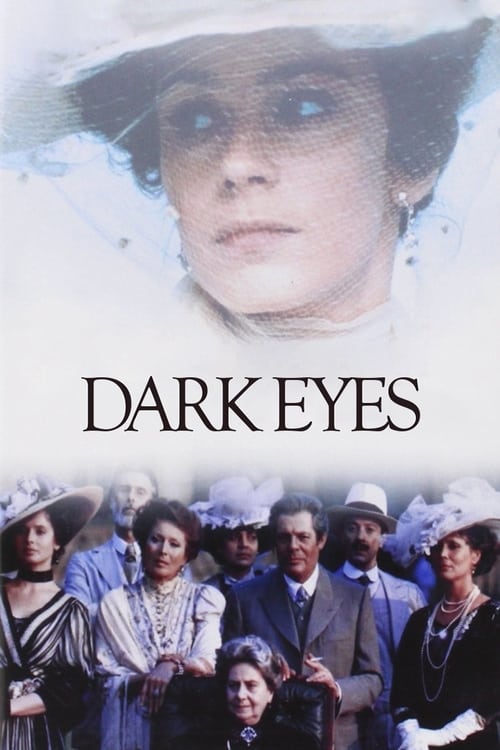
1987
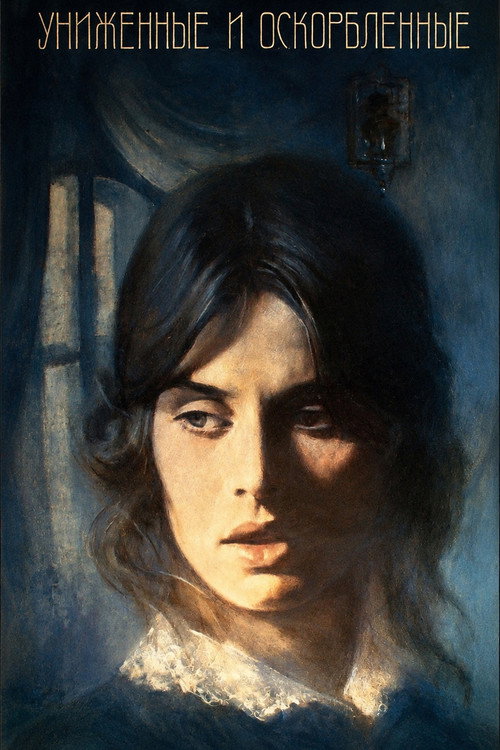
1990

1994

1998

2009

2003

1999
No reviews yet. Be the first to share your thoughts on this movie!
Use the rating form above to leave a star rating and optional review.