Burning
2018
No user ratings available yet
Representation score: 6.9 out of 10
Representation Score
Good
2016
Director
Sang-il Lee
Runtime
142 minutes
Average Rating
No ratings yetNew Showbiz Analysis
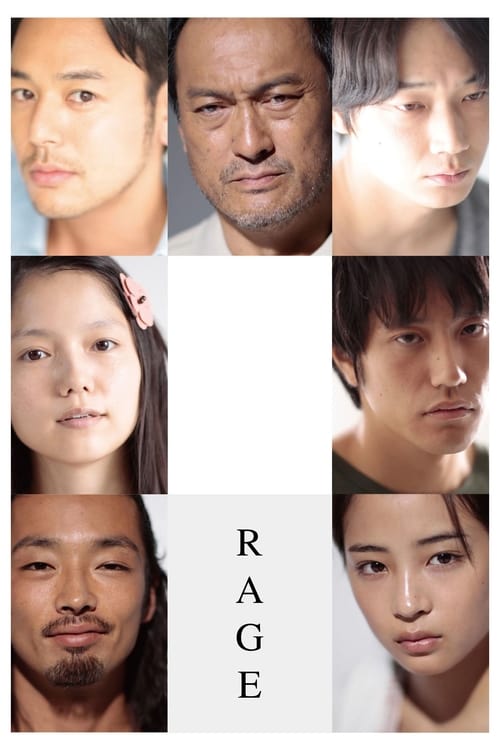
Sang-il Lee’s thriller prioritizes psychological realism and the deconstruction of social stability over overt demographic visibility. The film excels at challenging traditional domestic hierarchies and exploring complex moral landscapes, providing a sophisticated layer of narrative depth. However, the work remains limited by its homogeneous setting. The lack of racial diversity and the subtle, non-explicit approach to LGBTQ+ dynamics result in lower scores for those specific categories. Ultimately, the film is a study of human vulnerability and systemic paranoia. It trades broad representation for a deep, granular examination of how suspicion erodes interpersonal trust within a specific cultural context.
Category Breakdown
The film avoids explicit LGBTQ+ identity politics, focusing instead on the fragility of intimacy. It disrupts romantic clichés by emphasizing secrecy and social isolation rather than celebratory frameworks.
Women play a significant role in driving the story, navigating complex emotional landscapes. The film challenges traditional hierarchies by portraying domesticity as a site of volatility rather than stability.
As a localized Japanese production, the film operates within a homogeneous cultural framework. It lacks racial diversity, focusing instead on the granular textures of Japanese social trust.
The narrative deconstructs the stable family unit, presenting truth as subjective and influenced by trauma. It critiques social institutions through a lens of systemic paranoia and moral relativism.
Representation centers on psychological trauma and mental health. Characters exhibit emotional instability and neuro-psychological distress that drive the plot without relying on inspirational clichés.
Present on Screen
Limited or Absent
Official Synopsis
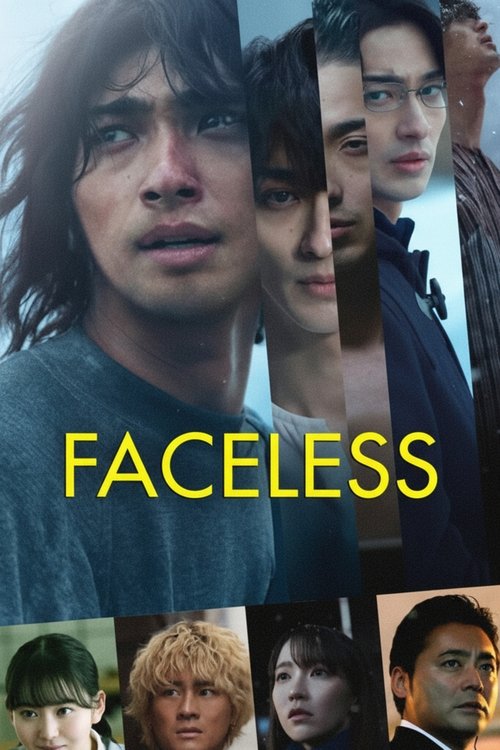
A man brutally murders a married couple and leaves the word “ikari” (“rage”) written with their blood. The killer undergoes plastic surgery and flees. At three different locations in Japan, a male stranger appears. People suspect that the stranger might be the murderer.
2018

2017

2017
2007
2016

2012
2024

1996
No reviews yet. Be the first to share your thoughts on this movie!
Use the rating form above to leave a star rating and optional review.