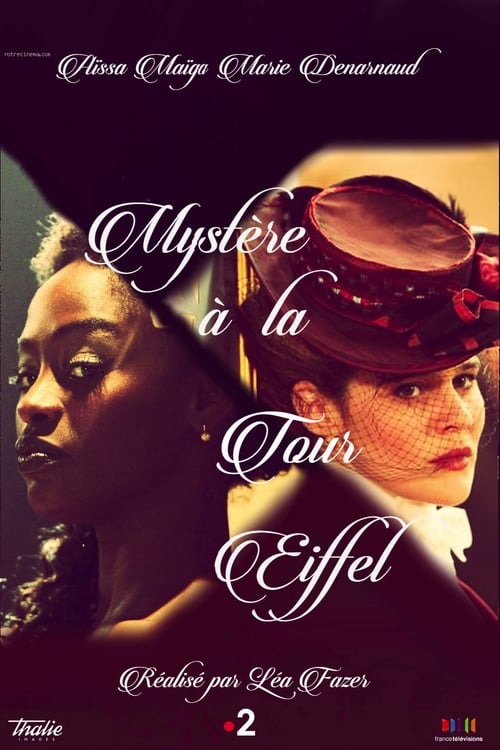
The Eiffel Tower Mystery
2016
No user ratings available yet
Diversity score: 6.4 out of 10
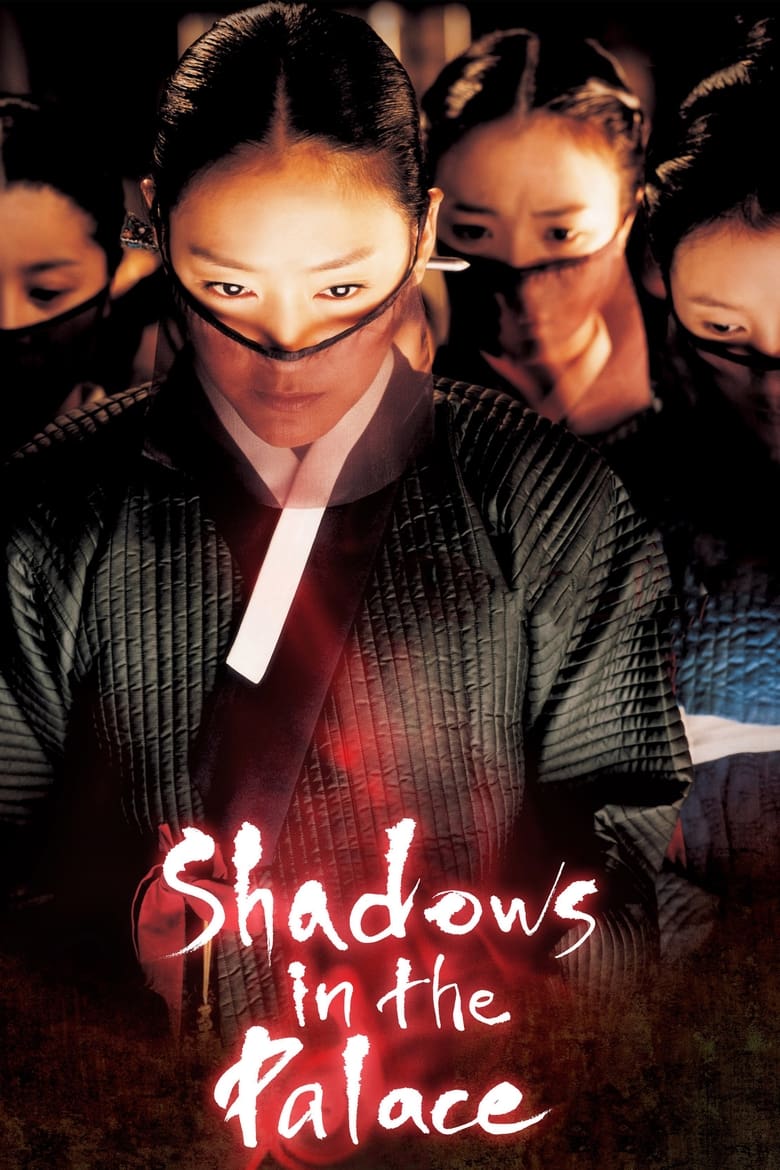
2007
PG-13Director
Kim Mee-jeung
Runtime
112 minutes
Average Rating
No ratings yetSynopsis
Upon receiving the body of a maid in waiting who was said to have hung herself within the palace walls, dedicated doctor Chun-ryung begins to suspect foul play. Upon launching a personal investigation, however, Chun-ryung quickly discovers a labyrinthine maze of deception constructed by those with limitless power to conceal a valuable secret.
Overall Score
Fair
Category Breakdown
LGBTQ+ Representation
The film lacks explicit depictions of same-sex intimacy or non-cisnormative identities. While the palace setting offers a dense environment for potential queer subtext, no such representation is verified.
Gender Representation
Chun-ryung disrupts traditional hierarchies by serving as a professional doctor with significant intellectual agency. Her role as an investigator challenges common period-drama tropes of female domesticity.
Racial & Ethnic Diversity
As a South Korean production, the film features a culturally specific, non-Western cast. It provides important representation of East Asian historical narratives within a global cinematic context.
Religious & Cultural Diversity
The narrative critiques institutional integrity by portraying the palace as a maze of deception. This framing explores how established power structures use obfuscation to protect systemic corruption.
Disability Representation
There is no evidence regarding the portrayal of physical or neurodivergent disabilities within the narrative.
Strengths
Areas for Improvement
AI Analysis
Shadows in the Palace succeeds in centering female agency through its protagonist, a professional doctor navigating a high-stakes investigation. By placing a woman in a position of intellectual authority, the film subverts the typical power dynamics found in historical period pieces. However, the film lacks explicit representation for LGBTQ+ identities and does not provide information regarding disability. While the setting is culturally rich and non-Western, the cast remains ethnically homogeneous. Ultimately, the film's strength lies in its systemic critique of authority. It uses a female-driven mystery to expose the deceptions inherent in centralized power structures.
No reviews yet. Be the first to share your thoughts on this movie!
Use the rating form above to leave a star rating and optional review.