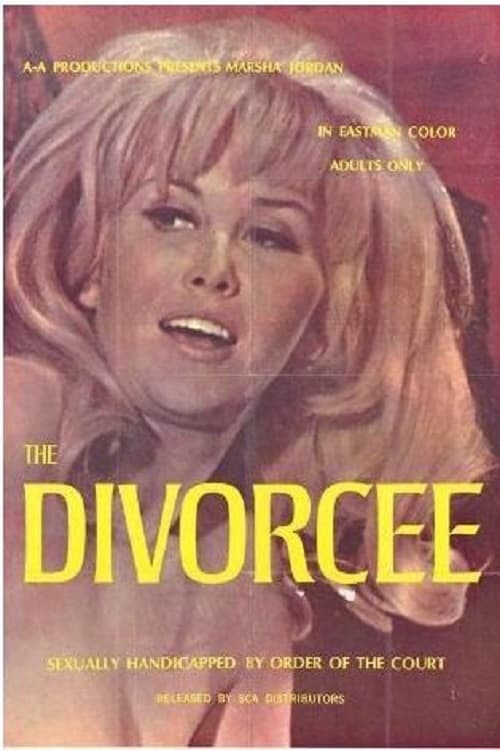
The Divorcee
1969
No user ratings available yet
Representation score: 3.5 out of 10
Representation Score
Limited
1966
Director
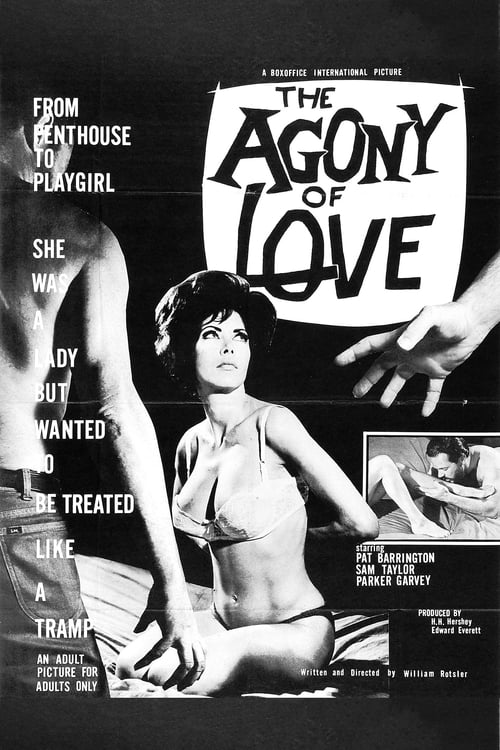
William Rotsler
Runtime
83 minutes
Average Rating
No ratings yetNew Showbiz Analysis
Agony of Love functions as a character study centered on a woman's rebellion against mid-century domesticity. By positioning a housewife as the architect of her own sexual exploration, the film challenges the submissive roles typically assigned to women in 1960s cinema. While the film challenges gendered expectations and traditional family structures, it lacks specific visibility in other areas. There is no verifiable information regarding the racial, ethnic, or disability representation within the work. Ultimately, the film's impact is found in its focus on individual ability to act and the rejection of social or religious duty in favor of personal fulfillment.
Category Breakdown
The film focuses on a housewife's sexual fantasies, suggesting a departure from domestic norms. However, there is no explicit evidence of LGBTQ+ identities or same-sex intimacy.
The story disrupts 1960s expectations by making a woman the primary driver of her own desire. This centers women's ability to drive the story in a way that challenges traditional gender hierarchies.
There is no information available regarding the racial or ethnic composition of the cast or the setting.
The narrative explores individualistic morality by rejecting traditional domestic stability. The protagonist's pursuit of personal fantasy suggests a critique of standard Western family institutions.
The provided context contains no evidence regarding the portrayal of characters with physical or neurodivergent disabilities.
Present on Screen
Limited or Absent
Official Synopsis
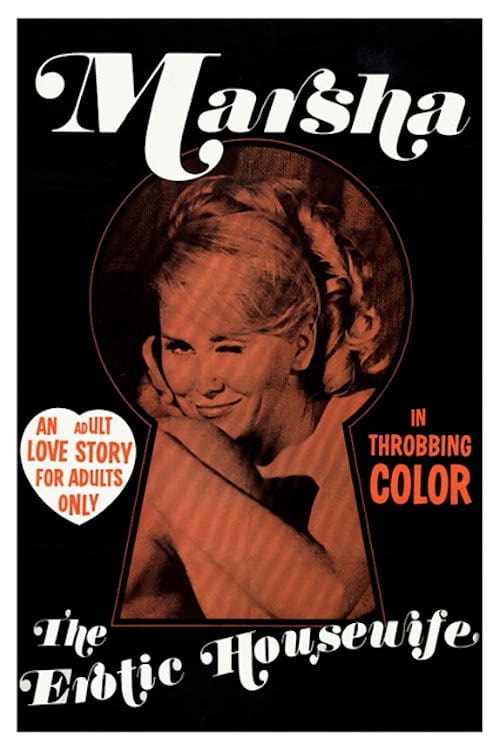
A bored housewife rents an apartment where she indulges in all of her sexual fantasies.
1969

1967

1968

1976
1969
1977
1970
1969
No reviews yet. Be the first to share your thoughts on this movie!
Use the rating form above to leave a star rating and optional review.