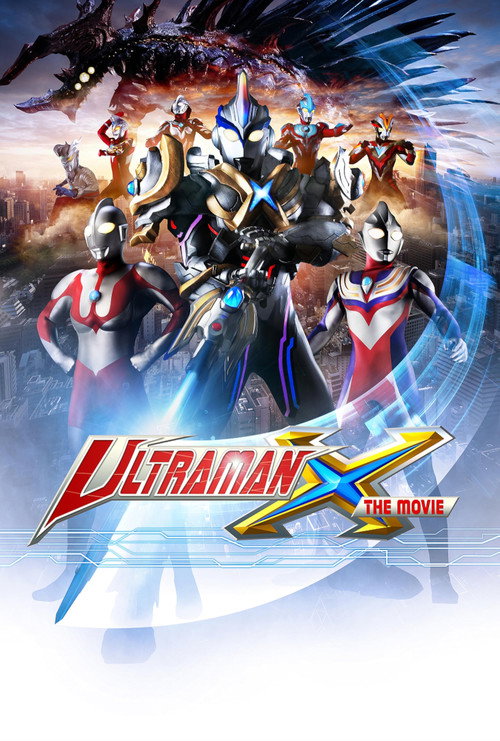
Ultraman X The Movie: Here He Comes! Our Ultraman
2016
No user ratings available yet
Representation score: 3.7 out of 10
Representation Score
Minimal
1966
Not RatedDirector
Shigeo Tanaka
Runtime
106 minutes
Average Rating
No ratings yetNew Showbiz Analysis
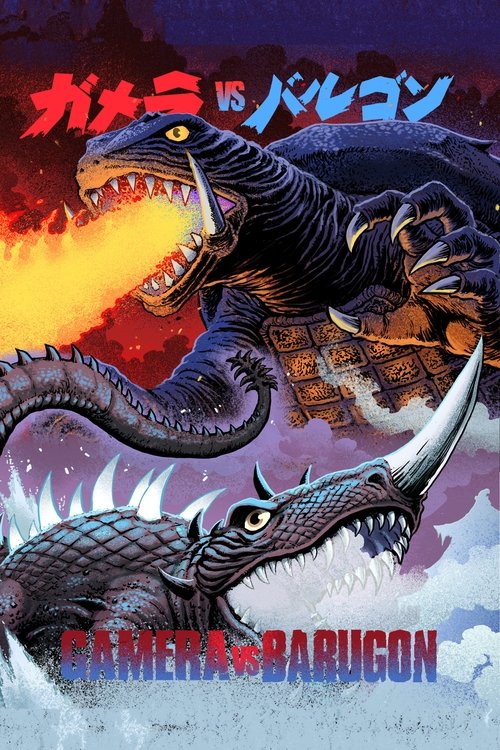
Gamera vs. Barugon reflects its 1966 origins, emphasizing genre conventions over social diversity. The plot centers on a monster crisis caused by scientific sonar technology, serving as a critique of human progress. The film maintains a homogeneous cast, lacking in racial, LGBTQ+, or disability representation, sticking to the social norms of mid-1960s Japan. Narrative power is heavily weighted towards male-dominated institutions, limiting space for diverse perspectives. While the film provides a cautionary tale about the risks of unchecked technological advancement, it does not challenge traditional social hierarchies or institutional power structures.
Category Breakdown
The film does not include any LGBTQ+ characters or explore non-straight relationships. The story revolves around the ecological conflict between monsters and humans.
The narrative power is concentrated among male scientists and soldiers. Women play supporting roles but do not drive the main storyline.
The cast is very uniform, reflecting the 1960s Japanese setting. There is no indication of racial diversity or varied ethnic viewpoints in the story.
The film criticizes overreliance on technology, presenting the monster's appearance as a result of scientific advancements. It serves as a cautionary tale about humanity's impact on nature.
There is no depiction of physical or cognitive disabilities. Characters are shown as having typical abilities without addressing disability as part of their identity.
Present on Screen
Limited or Absent
Official Synopsis
Gamera escapes from his rocket enclosure and makes his way back to Earth as a giant opal from New Guinea is brought back to Japan. The opal is discovered to have been an egg that births a new monster called Barugon. The creature attacks the city of Osaka by emitting a destructive rainbow ray from his back, along with a freezing spray capable of incapacitating Gamera.
2016

1995
1976
1996
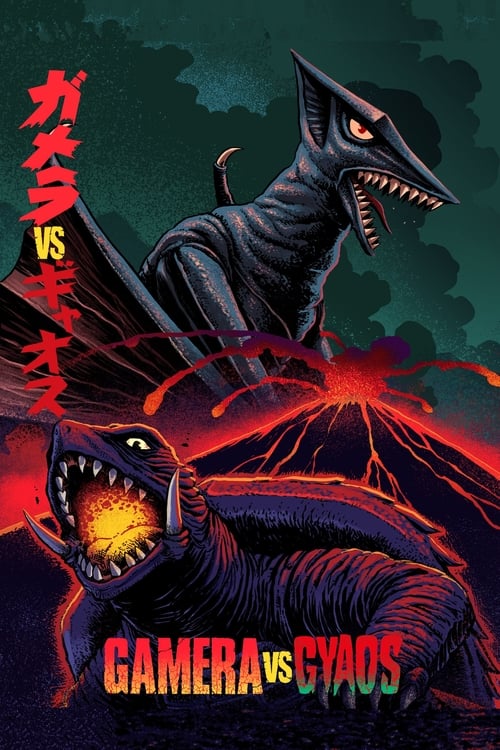
1967

1966

1969
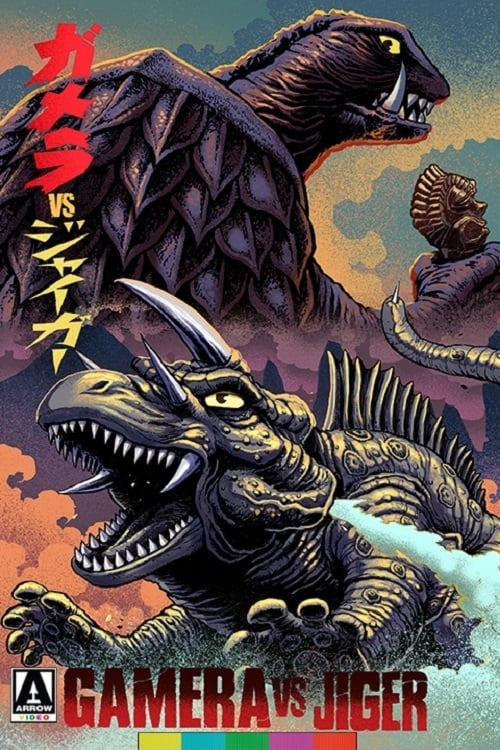
1970
No reviews yet. Be the first to share your thoughts on this movie!
Use the rating form above to leave a star rating and optional review.