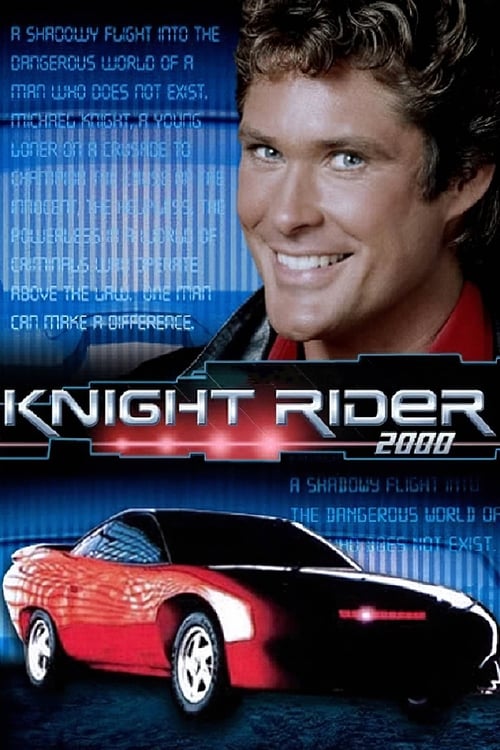
Knight Rider 2000
1991
No user ratings available yet
Representation score: 0.9 out of 10
Representation Score
Limited
1982
TV-PGDirector
Daniel Haller
Runtime
90 minutes
Average Rating
No ratings yetNew Showbiz Analysis
This pilot exemplifies 1980s action cinema, emphasizing traditional heroism and clear moral binaries. The narrative structure relies on established social hierarchies and conventional character archetypes. Representation is limited by the era's standards, focusing on a white, male protagonist with singular ability to act. The film does not engage with queer identities, diverse racial ensembles, or the complexities of disability. Ultimately, the work functions as a baseline for the period's procedural style, emphasizing high technology and Western justice over social subversion or demographic variety.
Category Breakdown
The pilot focuses on traditional masculine archetypes and does not include non-cisgender identities or same-sex intimacy.
Michael Knight drives the story with his singular ability to act, while female characters mainly serve as supporting figures or romantic interests.
Casting is predominantly white, with the narrative lacking depth on non-white characters and their roles.
The film upholds a Western moral framework, presenting a clear distinction between good and evil, and reinforcing the effectiveness of Western institutions.
Characters with visible or invisible disabilities are notably absent. The protagonist's physical transformation is used as a plot device without exploring disability issues.
Present on Screen
Limited or Absent
Official Synopsis
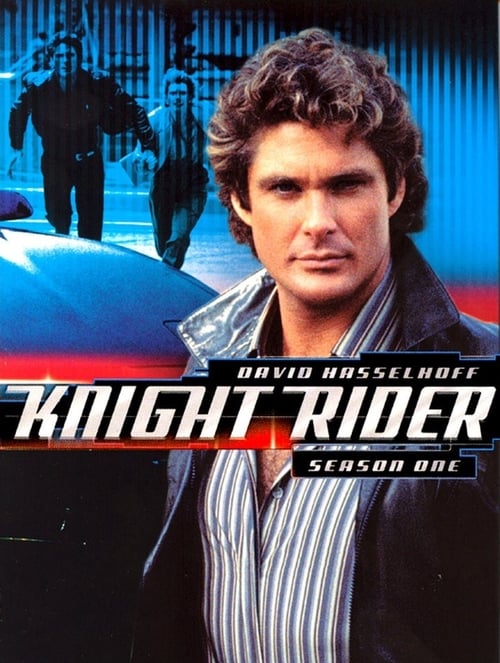
After Detective Michael Long is shot and left for dead, he is saved by the eccentric billionaire Wilton Knight. He is given a new face by plastic surgery, a new identity as Michael Knight, and the Knight Industries Two Thousand (KITT) – a dream car with super-spy gadgets and nearly invulnerable armor.
1991
1979
1989
1992

1999
1994

2000
1973
No reviews yet. Be the first to share your thoughts on this movie!
Use the rating form above to leave a star rating and optional review.