
David Stratton: A Cinematic Life
2017
No user ratings available yet
Representation score: 2.2 out of 10
Representation Score
Fair
1995
Director
Judy Rymer, Sam Neill
Runtime
52 minutes
Average Rating
No ratings yetNew Showbiz Analysis
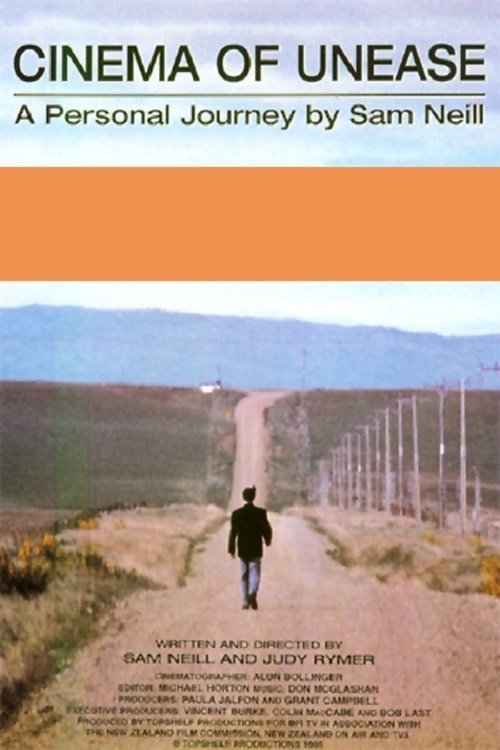
Cinema of Unease is an intellectual documentary that emphasizes thematic deconstruction over demographic representation. It steers clear of conventional nationalistic clichés, choosing instead to explore the psychological discomfort inherent in cultural belonging. The film's strength lies in its postmodern critique of colonial identity and national myths. It offers a nuanced look at the complexities of New Zealand's cultural landscape. However, the documentary lacks overt representation of specific groups, such as LGBTQ+ individuals or people with disabilities. It remains a highly subjective, personal reflection on cinema and national identity.
Category Breakdown
The documentary does not center on stories or character arcs related to LGBTQ+ identities. Instead, it serves as a personal essay rather than an exploration of sexual identity.
The film features a collaborative effort between directors Judy Rymer and Sam Neill, providing a balanced structure. However, the movie primarily focuses on Sam Neill's personal viewpoint.
The film examines New Zealand's identity through the lens of its colonial past and Pacific heritage. It delves into the complexities of a country grappling with its colonial history.
The narrative challenges traditional patriotic views by highlighting cultural unease and skepticism towards established national myths and institutions.
There is no evidence of the portrayal of physical or neurodivergent disabilities in this film.
Present on Screen
Limited or Absent
Official Synopsis
Actor Sam Neill discusses New Zealand film and his own experiences within and without.
2017

2014
2006
2017
2002
2016

1996

2025
No reviews yet. Be the first to share your thoughts on this movie!
Use the rating form above to leave a star rating and optional review.