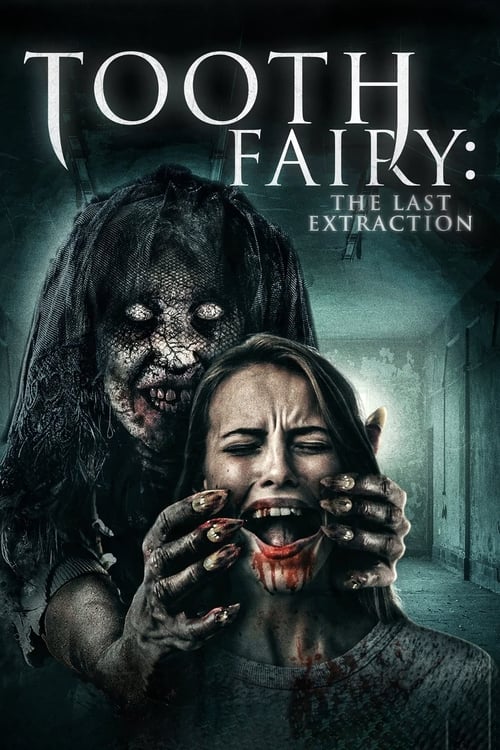
Tooth Fairy: The Last Extraction
2021
No user ratings available yet
Representation score: 3.1 out of 10
Representation Score
Limited
2019
Director
Louisa Warren
Runtime
86 minutes
Average Rating
No ratings yetNew Showbiz Analysis
Tooth Fairy is a genre-driven horror film that prioritizes supernatural fear over complex social issues. The narrative hinges on the tension between superstition and skepticism, rather than addressing broader societal critiques. While the film features a female-centric conflict and a diverse cast, these elements seem secondary to the horror framework. Representation does not appear to be a primary design feature of the film. Ultimately, the film lacks the depth or diverse character identities needed to go beyond a basic genre exercise.
Category Breakdown
The film does not include any representation of LGBTQ+ identities or non-cisgender characters. The storyline focuses on family and generational conflicts.
The story centers around the tension between two female characters, Nana and Carla. This dynamic between an elder storyteller and a younger skeptic offers a slight deviation from typical domestic narratives.
The cast includes Manny Jai Montana, suggesting some racial diversity. However, it is unclear if race plays a central role in the narrative.
The plot explores the clash between traditional folklore and modern skepticism. While it touches on oral traditions, it leans heavily on conventional supernatural horror clichés.
There is no indication of neurodivergence or physical disabilities being used as key narrative elements. The characters' traits do not revolve around these experiences.
Present on Screen
Limited or Absent
Official Synopsis
Nana starts to tell the legend of the evil tooth fairy who rips out teeth. Carla is sick of her crazy alcoholic stories and tries to leave, however a power outage suggests something is amiss, something much more sinister than Carla could imagine.
2021
2003
2020
2019
2020
2024

2005

2018
No reviews yet. Be the first to share your thoughts on this movie!
Use the rating form above to leave a star rating and optional review.