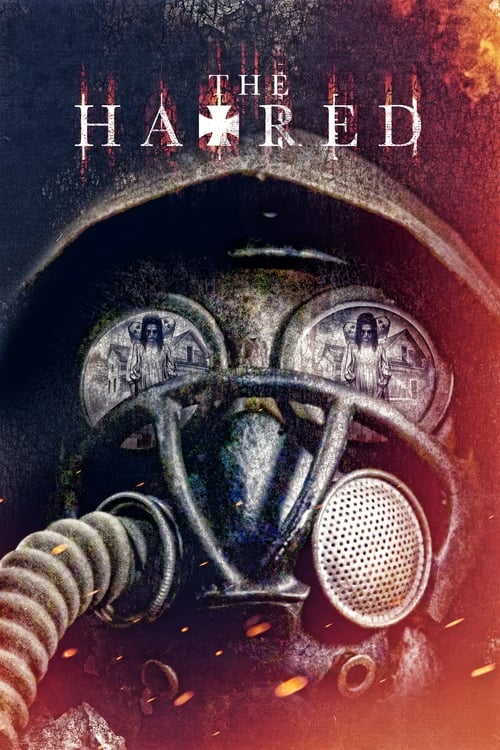
The Hatred
2017
No user ratings available yet
Representation score: 3.9 out of 10

Representation Score
Limited
2018
Director
Jay Sapiro, Christopher A. Micklos
Runtime
88 minutes
Average Rating
No ratings yetNew Showbiz Analysis
The film operates as a standard genre exercise, closely following established horror and thriller clichés. The narrative structure prioritizes survival and external supernatural threats over disrupting social hierarchies or exploring diverse identities. While the film features a central female protagonist, its reliance on a 'stalker' framework often reinforces traditional gendered dynamics of vulnerability. The creative direction focuses on genre-specific clichés rather than progressive social commentary. Ultimately, the work lacks clear evidence of intentional representation or the subversion of cultural norms, resulting in a conventional viewing experience.
Category Breakdown
The film does not include any explicit LGBTQ+ characters or non-straight relationships. It follows a typical horror storyline focusing on a main character and her close friends.
Ranae serves as the central female protagonist, providing a baseline for women's ability to drive the story. However, the slasher framework positions her as prey, using traditional gendered vulnerability clichés common in horror.
No specific details about the racial or ethnic makeup of the cast are provided. The lack of descriptive diversity suggests a potentially homogeneous casting approach.
The story focuses on supernatural elements like ghosts and tragic histories. There is no evidence of narratives that critique established social institutions or offer anti-Western perspectives.
There is no mention of neurodivergence, physical disabilities, or mental health conditions. These elements do not appear to be central to the character arcs or narrative drivers.
Present on Screen
Limited or Absent
Official Synopsis
When college freshman Ranae agrees to babysit for a family with a tragic past, her run-of-the-mill Saturday night quickly turns into a confrontation with unspeakable horror. Stalked by a sinister presence and haunted by ghosts from her own past, Ranae and her friends must confront an angry, evil spirit determined to hunt them down one-by-one on a deliberate march toward its ultimate prey in THE NURSERY
2017
2018
2014

2014

2013
2007
2018
2018
No reviews yet. Be the first to share your thoughts on this movie!
Use the rating form above to leave a star rating and optional review.